61 million Americans will gain an hour of sleep this Sunday
Clocks turn back at 2 a.m. in most of the U.S., ending daylight saving time and starting standard time until March.
By Luca Stewart ·
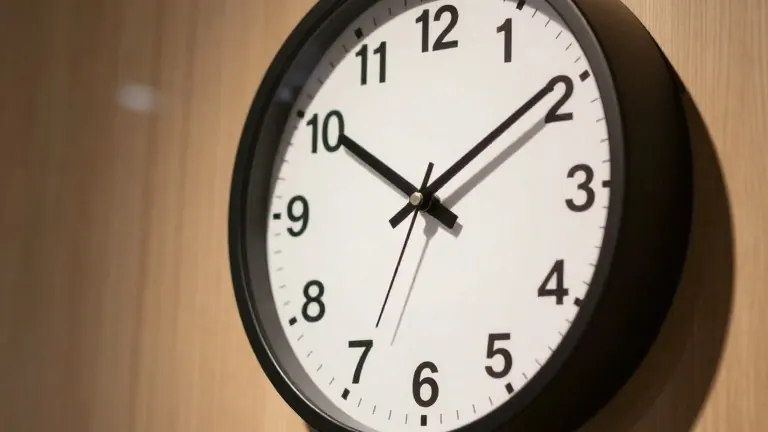
Residents in most of the United States will gain an hour of sleep time this Sunday. At 2 a.m., clocks will move back to 1 a.m. This change marks the end of daylight saving time and the start of standard time. The extra hour allows people to go to bed earlier or sleep in later on Sunday morning.
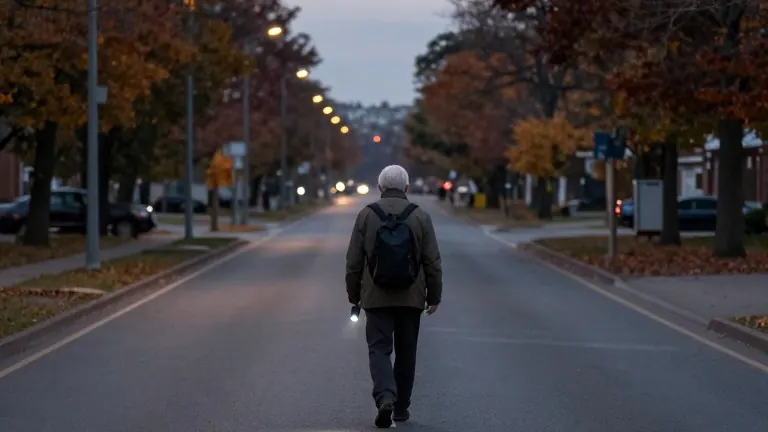
Daylight saving time began on March 8 at 2 a.m. This year, the period runs through the first Sunday in November. The practice is designed to extend daylight hours in the summer by pushing sunset later. As the season shifts toward late fall, sunsets will become earlier and evenings will grow darker.
The United States has followed this schedule since 2007. Before that, dates varied. The Standard Time Act established the practice in 1918. It was repealed in 1919 and later re-enacted during World War II. The Uniform Time Act passed in 1966 standardized the dates but allowed local exemptions.
Hawaii and most of Arizona do not change their clocks. They remain on standard time year-round. U.S. territories including Puerto Rico, Guam, and American Samoa also do not observe the change. Most countries in the Northern Hemisphere use a version of this system, but schedules differ.
Lawmakers have tried to end the twice-yearly switch. Nineteen states have passed bills or resolutions to adopt permanent time in the last seven years. Federal law currently blocks these state efforts. The Senate passed the Sunshine Protection Act in 2022 to make daylight saving time permanent. The House did not advance the bill. A new version introduced in January 2025 stalled in the Senate during the summer.
President Donald Trump recently urged Senate Republicans to act on the bill. In a post on Truth Social in early October, he said the time changes cost the country a fortune. He argued the practice is bad for crime, stress, sports, and other sectors. He advocated for permanent daylight saving time to align with daytime habits.
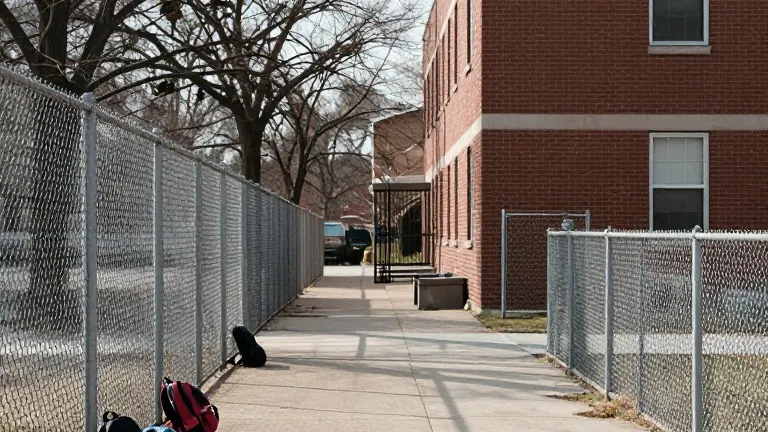
Health experts debate the merits of permanent daylight saving time. Some studies suggest it could reduce traffic accidents and crime. Others warn that permanent daylight saving time would bring darker mornings. This could increase risks for children walking or driving to school in the dark. Sleep researchers often prefer the current seasonal shift over permanent daylight saving time. They note that clocks not aligned with the sun can cause health issues.
Standard time will last until March 14, when daylight saving time begins again next year. The next time clocks will fall back is on November 7, 2027. For now, residents should set their analog clocks back one hour. Digital devices will usually update automatically.
Source: NBC News