Plenum Purges Military Leadership
Beijing's central committee meets for four days to restructure the Party ahead of next year's Congress.
By Thomas Schneider ·
The Central Committee of the Chinese Communist Party is convening in Beijing for a four-day session that began on Monday, October 26. The gathering, known as the Fifth Plenum, brings together approximately 300 members of the committee. State media announced that the session will focus on tightening discipline within the Party's ranks. The meeting is scheduled to conclude on Thursday.
The timing of this plenum occurs one year before the next Party Congress. That upcoming Congress will appoint a new central committee and set national priorities. Although the process for selecting top leadership is kept secret, the next Congress is expected to reappoint Xi Jinping as the country's leader. This follows the earlier abolition of term limits, which allows him to remain in power indefinitely.
Recent purges have reshaped the military leadership before this meeting. The Asia Society Policy Institute estimates that only two of the 44 military members appointed to the Central Committee in 2022 remain in their positions. The Central Military Commission, which directs the armed forces, has been reduced from its traditional size to just two individuals. These are Xi Jinping and one other general. The plenum offers a chance for Xi to appoint new officers to this body.
The Politburo, a 21-member group, issued a statement in September outlining the plenum's agenda. It stated that the meeting would adopt a decision on several major issues regarding the comprehensive strict governance of the Party. Analysts interpret this language as a move to ensure obedience from distant party officials. The location of the meeting has not been publicly announced, though past sessions have been held at the Jingxi Hotel in Beijing.
Plenums are closed-door meetings that occur at least once a year. There are typically seven such meetings during each five-year term of the Central Committee. While the sessions are secretive, a summary of decisions and a detailed document are released after the fact. These documents signal the leadership's priorities to the public and the party elite.
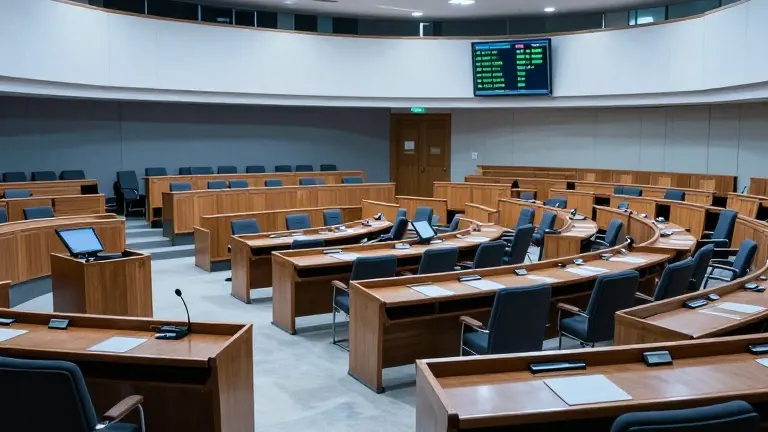
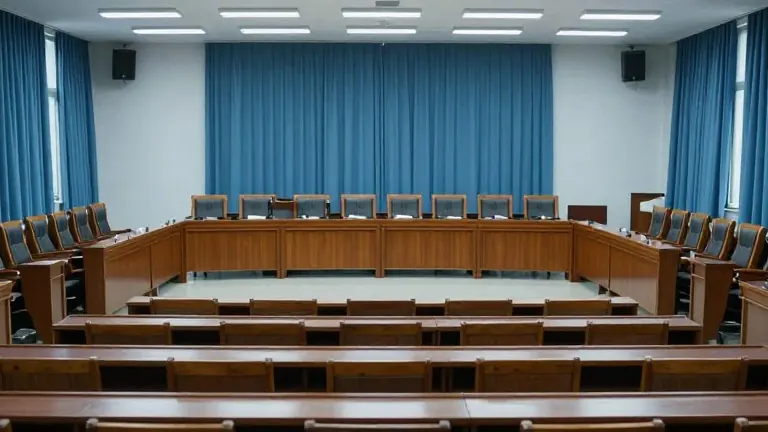
Delegates attending this session face a room with empty seats due to the scale of recent removals. Allegations of corruption, including what experts term moral corruption, have led to the culling of many senior figures. Moral corruption is often used to address perceived disloyalty to Xi, as disloyalty to the Party can be interpreted as a breach of morality. Past plenums have served to declare Xi as the core of the Party and elevate his personal philosophy to the same status as Chairman Mao's.
Source: BBC News