Serbian Voters Oust Long-Time President in Record Turnout
The Student List is projected to claim a majority in the 250-seat parliament, ending the tenure of Aleksandar Vucic after a decade of dominance.
By Thomas Schneider ·
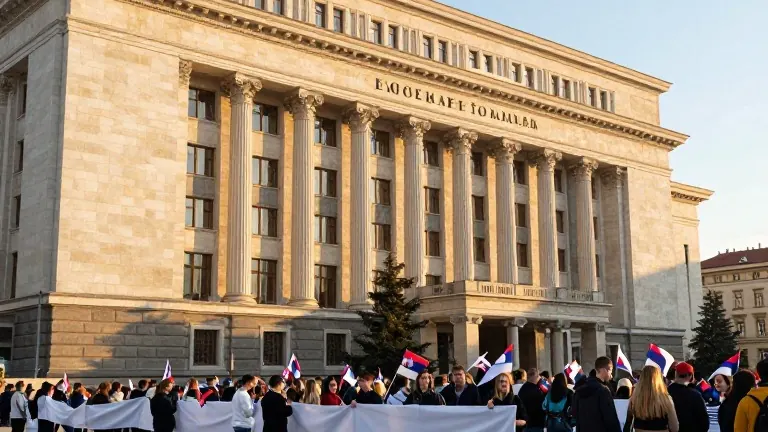
Aleksandar Vucic has lost his grip on Serbian politics.
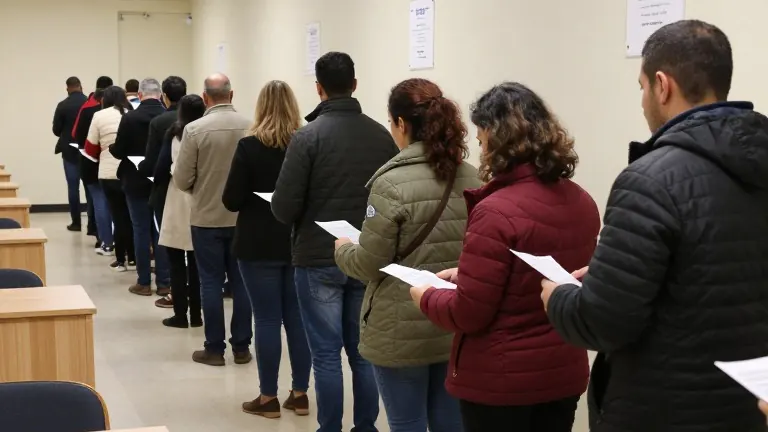
The long-serving leader of the Serbian Progressive Party admitted defeat to supporters following Sunday's snap parliamentary elections. Vote counts indicate his list will secure 105 seats in the 250-member assembly. The Student List, a movement formed after nearly two years of protests, is projected to win between 135 and 140 seats. This result ends Vucic's direct control of the executive branch, a position he held through various roles since 2012.
The political shift follows a period of intense public unrest that began in November 2024. A canopy at a train station in Novi Sad collapsed, killing 16 people. The tragedy sparked demonstrations led by university students and supported by professors, doctors, and workers. Ilija Srdanovic, a medical professor in Novi Sad, led the campaign for the Student List. The platform promised to combat corruption and depoliticize state institutions. Vucic, who was born in 1970 and entered politics in 1993, labeled the demonstrators as blockaders attempting to destabilize the country.
Vucic's political career began with the ultranationalist Serbian Radical Party. In 1995, he told parliament that killing one Serb would prompt the killing of 100 Muslims. He later co-founded the SNS in 2008 with Tomislav Nikolic. Journalist Safeta Bisevac described Vucic as the organizer of that new party. The SNS took power in 2012 with a mandate to fight organized crime. Bisevac noted that while promises were made, the party established near-total control over the state apparatus, media, and institutions.
Vucic served as deputy prime minister, prime minister, and president, with his term originally set to run until 2027. He resigned in September under protest pressure but called early elections. His economic record shows mixed results for voters. Official data shows unemployment dropping from 26 percent to roughly 8 percent. Nominal GDP nearly tripled to about 90 billion euros. Foreign direct investment rose from 800 million euros in 2012 to a record 5.2 billion euros in 2024. However, living costs and public debt remain high despite wage increases.
Political scientist Dusko Radosavljevic stated that the students gave voice to justified citizen anger. He characterized the previous decade as a time of systematic pressure on social institutions. Intelligence services monitored political opponents, and critical thinking was marginalized in public media. The Student List's victory marks a decisive break from the SNS's decade-long dominance.
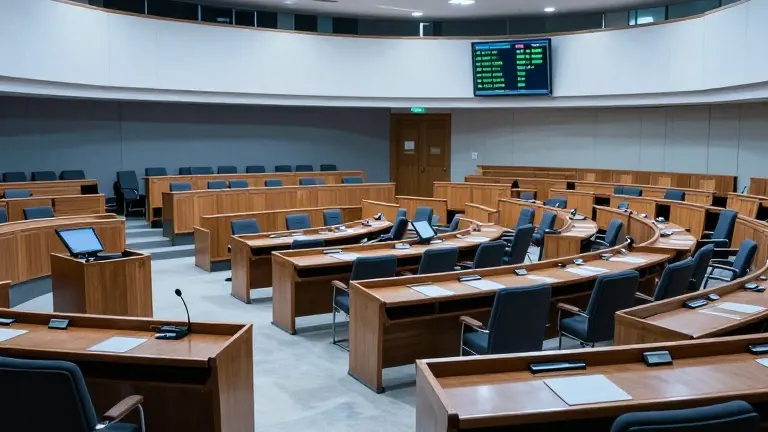
The next step is the formal counting of all votes by the electoral commission. This process will confirm the final seat distribution. The new parliament will then convene to select a new government. Vucic remains the president of Serbia, but his influence over daily state policy is expected to diminish as the Student List moves to form a coalition.
Source: Al Jazeera