25 Years Ago, a $399 Card-Sized Device Changed How the World Listens to Music
The original iPod’s debut quarter-century ago introduced a 5GB player that fit 1,000 songs, fundamentally shifting the digital music landscape before smartphones took over.
By Thomas Schneider ·
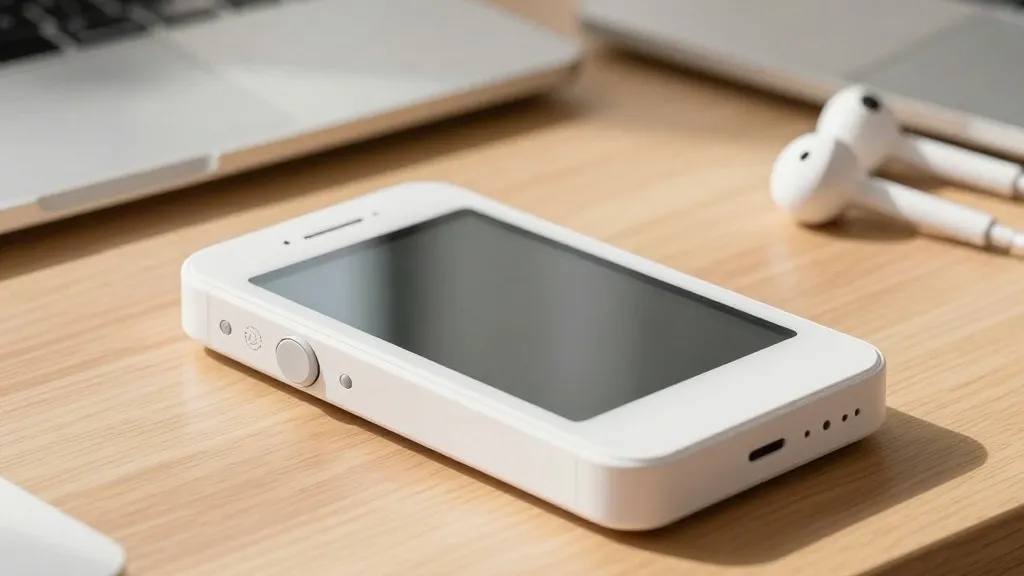
Today marks a significant milestone in consumer technology history: it has been exactly 25 years since Apple unveiled the original iPod. At the time, the device was presented as a breakthrough digital gadget that stood separate from the Mac, eventually becoming the definitive pocket-sized music player for a generation. Before smartphones matured to the point where a dedicated music player became redundant, this device was the preferred companion for gadget enthusiasts who wanted to carry their audio collections everywhere.
The central promise of the product was simple yet revolutionary: for $399, consumers could hold their entire music library in their pocket. When the device launched in October 2001, Apple was already in a strong position, having successfully navigated the company beyond its earlier struggles into the Mac OS X era. With iBooks and iMacs well-established and selling well in the wake of the dot-com bubble burst, CEO Steve Jobs was positioning Apple as the hub for a user’s digital lifestyle. He envisioned the Mac connecting cameras, camcorders, and DVD players, but identified portable music as the immediate opportunity, noting that while competitors like Sony and Creative had players, none had yet found the right formula.
The hardware itself was the first major selling point. The original iPod offered CD-quality sound and supported the popular audio formats of the day, including MP3, WAV, and AIFF. Its 5GB storage capacity was a critical feature, allowing it to hold approximately 1,000 songs. For most users, this meant their complete personal music collection fit into a single device. This capacity was made possible by a specific technical choice: Apple utilized a 1.8-inch ultra-compact hard drive from Toshiba, which was only 0.2 inches thick, allowing the final product to be the size of a standard deck of cards.
In terms of physical specifications, the device measured 2.4 by 4 by 0.78 inches and weighed just 6.5 ounces. Apple emphasized that it was lighter than most cell phones of that era, making it highly portable. Despite its small footprint, the player included advanced features such as 20-minute skip protection and fast file transfer capabilities. It relied on a single FireWire 400 cable for both charging and data transfer, a connection that was significantly faster than the USB standards available at the time.
The speed of the FireWire connection was a key differentiator. Apple claimed that transferring a single CD of MP3s took only five to 10 seconds, whereas a USB connection would require around five minutes for the same amount of data. To fill the device with 1,000 songs, the process was estimated to take 10 minutes, compared to five hours for a USB-based player. Powering the device was a rechargeable lithium-polymer battery that provided 10 hours of continuous playback. Apple noted that an empty battery could be recharged to 80% in just one hour.
Beyond the hardware, the software integration was crucial to the device's success. The launch coincided with the release of iTunes 2, which introduced features like MP3 CD burning and syncing support. The Auto-Sync feature ensured that any music library curated on a Mac was automatically mirrored to the portable player whenever it was connected for charging or data transfer. The device also functioned as a FireWire hard disk drive, adding to its versatility.
The user experience was designed around Apple’s reputation for ease of use. The controls were single-hand friendly, featuring an accelerated scroll wheel with a piezoelectric clicker that provided tactile feedback. This allowed users to quickly locate and play tracks by playlist, artist, or song title. During the unveiling, the first song demonstrated on stage was 'Building a Mystery' by Sarah MacLachlan, showcasing the device's performance in real-time.
While the first iPhone did not arrive until early 2007, the two devices coexisted in Apple’s product lineup for over a decade. However, the iPod’s relevance gradually diminished as smartphones became more capable. The final model, the 7th-generation iPod Touch, was released in May 2019. Although the product line was left unmaintained for a time, it was officially discontinued in May 2022, closing the chapter on a device that had defined a generation of digital music consumption.
Source: Tom's Hardware · original report published