
NASA adjusts lunar landing strategy to speed up astronaut missions
New orbital docking protocols and simplified launch sequences aim to bring the first lunar surface mission forward to 2028.
By Luca Stewart ·
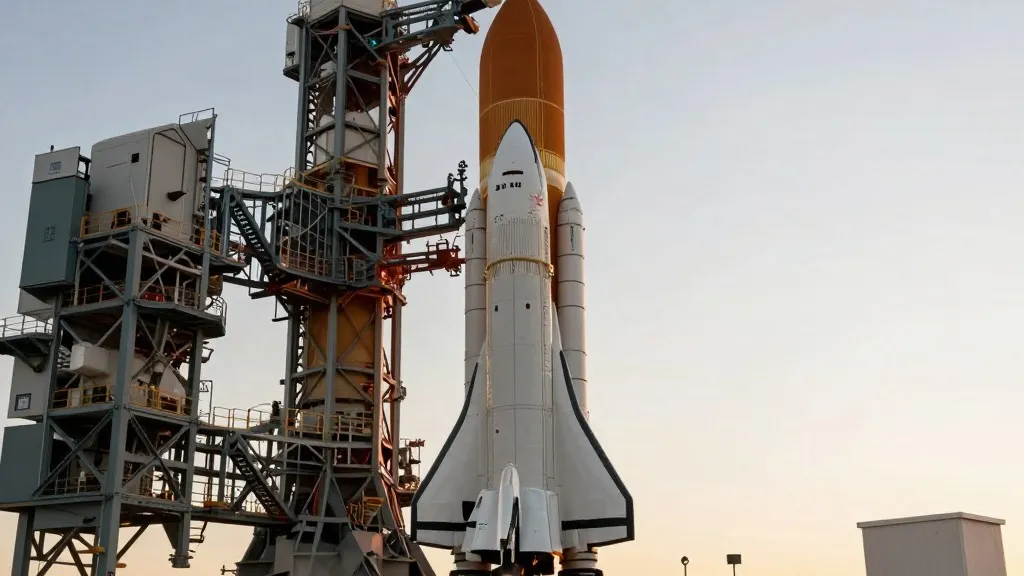
NASA has officially revised its roadmap for returning humans to the Moon, introducing specific changes to how spacecraft will meet and how launches will be sequenced. For observers of space exploration, the most immediate impact is a streamlined approach to logistics that aims to reduce technical complexity. By altering where vehicles dock and how many times rockets must launch, the agency is attempting to remove bottlenecks that have previously threatened mission timelines. These adjustments are designed to support a faster pace of development for the private companies building the landers.
The updated architecture reveals distinct differences in how NASA plans to integrate the two leading lander providers. For SpaceX, the new plan requires the Orion crew capsule to dock with the Starship lunar lander while both are still in high-Earth orbit. Only after this connection is established will the combined vehicle travel to the Moon. This represents a significant shift from earlier concepts that required docking closer to the lunar surface. For Blue Origin, the strategy involves four separate launches of the New Glenn rocket. Notably, this sequence does not include any refueling maneuvers between spacecraft in space. There is also a provision for the Blue Moon lander to potentially rendezvous with Orion in low-Lunar orbit, offering another layer of operational flexibility.
NASA Administrator Jared Isaacman presented these details during a lengthy news conference on Friday, marking the first time the agency has laid out these architectural changes in such comprehensive detail. While some elements of the plan had been discussed previously, this official overview confirms the substantial shifts in the program's structure. Isaacman emphasized the agency's confidence in the new approach, stating, "This is an achievable path we are on right now." He added that NASA has the necessary mandate, resources, and stakeholder support to execute the plan as intended.
The timeline for these missions remains aggressive but reportedly unchanged by the recent architectural updates. Officials indicated that the Artemis III mission, which serves as a demonstration involving docking with both the Blue Moon and Starship vehicles near Earth, is still anticipated to launch by the summer of 2027. Following that, the agency is tracking toward a 2028 launch for Artemis IV. This mission is the one that would finally involve an actual landing on the lunar surface, a milestone that has been a central goal of the Artemis Program since its inception.
Behind the scenes, these changes were driven by specific engineering challenges faced by the contractors. In early 2026, SpaceX engineers met with NASA to address a major hurdle: the requirement to dock with Orion in a near-rectilinear halo orbit around the Moon. This specific orbital path demanded significantly more energy and presented other technical difficulties for the Starship vehicle. The cancellation of the Lunar Gateway project earlier this year effectively removed this constraint, allowing SpaceX to pursue a simpler docking strategy in Earth orbit.
The stakes for the program are high, as these dates rely on the successful execution of complex new procedures. By simplifying the orbital mechanics and launch sequences, NASA hopes to give the lander companies a clearer path to completion. However, the success of these plans will depend on whether the agencies and contractors can maintain their momentum and adhere to the tight schedules outlined in the updated framework. The coming months will be critical in testing whether this revised approach can deliver on its promise of a faster return to the Moon.
Ultimately, the decision to restructure the mission architecture reflects a broader effort to make the Artemis Program more robust and efficient. By addressing the specific pain points identified by SpaceX and clarifying the launch requirements for Blue Origin, NASA aims to create a more sustainable cadence for lunar exploration. As the agency moves forward with the 2027 and 2028 targets, the focus will remain on translating these strategic changes into operational reality, ensuring that the hardware and personnel are ready for the historic journey ahead.
Source: Ars Technica · original report published