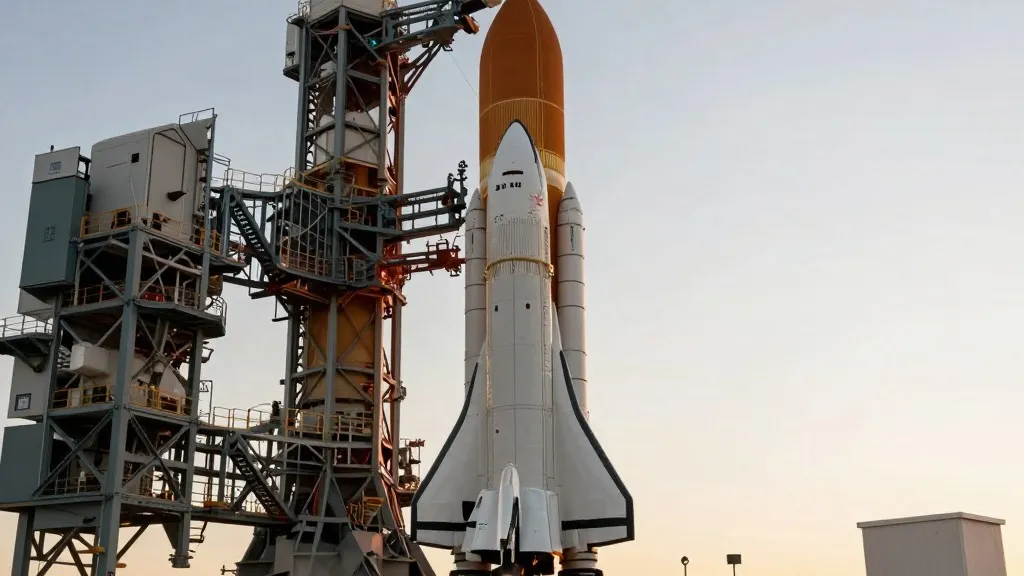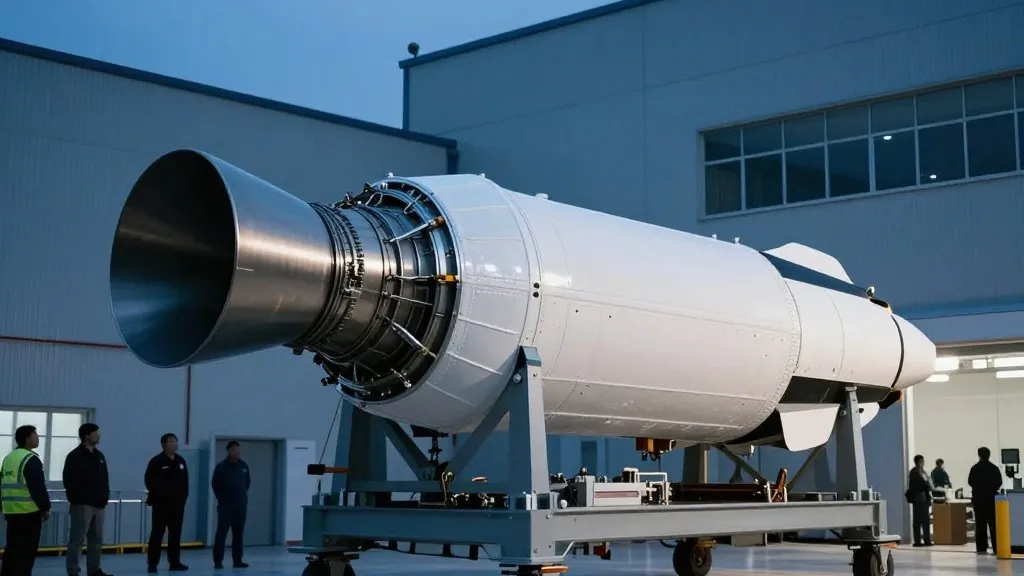
Artemis Moon Plan Hinges on 22 Starship Launches, New Analysis Suggests
A new internal assessment indicates that SpaceX may need to conduct 22 separate flights to refuel a lunar lander in orbit, raising questions about the timeline for returning humans to the Moon this decade.
By Luca Stewart ·
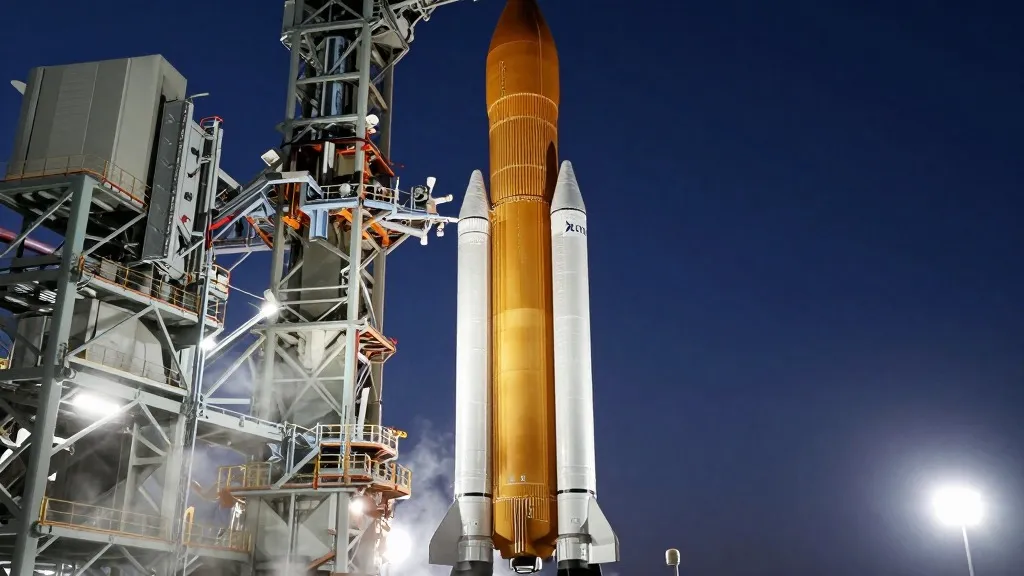
The most significant recent development in the Artemis Program is the emergence of a new estimate suggesting that 22 Starship launches are required to fully fuel a lunar lander in low-Earth orbit. This specific metric has long been a closely guarded figure within NASA, with officials often treating the number with a level of secrecy comparable to nuclear codes. The calculation determines how many times SpaceX’s Starship rocket must fly to deliver enough liquid oxygen and methane propellant to a depot in orbit, allowing the lander to travel to the Moon, land, and return to lunar orbit.
For years, this figure has remained a moving target, leading to varied and often vague responses from agency leadership. In 2023, Lisa Watson-Morgan, who served as the director of NASA’s Human Landing System, expressed reluctance to provide an exact count, stating that while there was a general idea, she was hesitant to commit to a specific number. She later described the requirement as being in the range of high single digits to low double digits, a description that implied approximately a dozen launches. This estimate would have involved one depot Starship and 11 tanker Starships to complete the refueling process.
Other officials have previously cited figures in the high teens, reflecting an ongoing hope that SpaceX would dramatically improve the lift capacity of the Starship vehicle. Such improvements would reduce the number of tanker flights needed to support a crewed lunar mission. However, a growing concern among some NASA officials is that this dramatic increase in payload capacity may not materialize soon enough. This delay threatens to limit the role that Starship can play in returning humans to the Moon within the current decade as part of the Artemis goals.
The new estimate surfaced during the quarterly meeting of the NASA Aerospace Safety Advisory Panel held on Thursday. During the session, panel member Charlie Precourt, a former NASA astronaut, discussed the various risks associated with the Artemis Program and the specific challenges of landing humans on the Moon. His remarks highlighted the operational complexities and the dependency on the Starship launch cadence.
This shift in the projected number of required launches has significant implications for the program's schedule and logistics. A higher number of tanker flights increases the logistical burden and the potential for operational risks. It also suggests that the initial optimism regarding rapid improvements in Starship’s performance may have been too aggressive. The agency must now reconcile this new data with its existing timelines and resource allocations.
The situation underscores the critical importance of the refueling architecture in low-Earth orbit. Without sufficient propellant delivered by a series of tanker missions, the lander cannot complete its journey. The move from an estimated dozen or a few more launches to 22 represents a substantial increase in the required activity. This change forces a reevaluation of how quickly SpaceX can deliver the necessary fuel and how NASA can manage the integration of these flights into the broader Artemis mission architecture.
As the program moves forward, the focus will remain on whether SpaceX can adjust its development trajectory to meet these new demands. The interplay between the rocket’s capability and the program’s schedule is now a central issue. The clarity provided by this new estimate, while potentially challenging for planning, offers a concrete baseline for future risk assessments and strategic decisions regarding the return to the Moon.
Source: Ars Technica · original report published