
Ebola Outbreak in Congo Tops 10,000 Cases, Straining Regional Health Systems
The fast-spreading epidemic has killed nearly half of those infected and disrupted essential healthcare services across multiple African nations.
By Luca Stewart ·
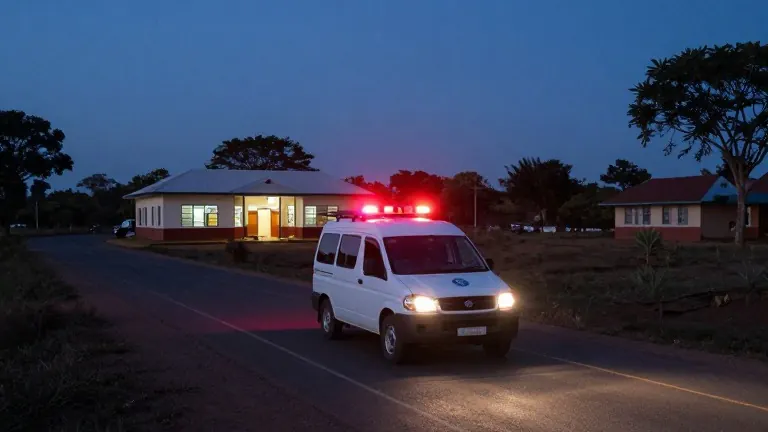
The Ebola epidemic in the Democratic Republic of Congo has passed a major threshold, with government data released Tuesday confirming 10,060 cases. This figure marks the fastest growing outbreak of the disease in history and the deadliest in the country’s recorded past.
Approximately half of the confirmed patients have died. The outbreak, declared in May, is driven by the Bundibugyo strain of the virus. Health officials note that no approved vaccine or specific treatment exists for this variant, complicating clinical management.
The scale of the current crisis compares starkly to the 2014 to 2016 West Africa outbreak. That previous event resulted in more than 28,000 cases and over 11,000 deaths. In contrast, the current Congo outbreak has recorded at least three times that number of cases and deaths within the time since it was declared.
The virus has spread to five countries, including Uganda and France, though the latter two currently report no active cases. Kenya and Nigeria have also recorded infections. This geographic reach marks the widest spread of any previous Ebola outbreak.
Surveillance gaps appear to be a primary driver of the rapid transmission. Most early cases were identified long after symptoms appeared or after patients had already traveled. Dr. Jean Kaseya, head of Africa CDC, stated that the response requires stronger coordination and decisive political leadership as the virus crosses borders.
In Congo, the disease has reached 66 health zones across eight provinces, up from just three zones at the start. Responders report that treatment centers are becoming overwhelmed. Health workers in some areas are striking over unpaid wages, a trend seen in many affected localities.
Community resistance remains a major obstacle. Sephora Bgosi, part of the Ebola burial team in Ituri province, said some residents do not understand the seriousness of the situation despite direct exposure. About 80 percent of new cases are found outside of monitored contacts. The Africa CDC states that for an outbreak to be considered under control, at least 95 percent of cases must come from known contacts.
Maternal mortality has doubled in some provinces as pregnant women avoid hospitals due to fear of infection and isolation. Routine healthcare services, including childhood vaccinations, have been disrupted. These interruptions have also affected schooling and livelihoods in already struggling communities.
The outbreak has also shifted attention away from other health crises, such as cholera. More than five months after the declaration, health workers continue to face attacks. Last week, a nurse was killed and another severely injured while responding to an alert in Bafwasende, Tshopo province.
African health ministers are set to hold a virtual summit on Wednesday to strengthen the collective response. In Congo, at least 2,600 patients have recovered, bringing moments of relief to affected areas. World Health Organization Director-General Tedros Adhanom Ghebreyesus commented on a viral video of health workers celebrating a discharge in Mongbwalu, noting that every life saved is worth celebrating.
Source: KSAT-TV
More Business · Customer Complaints · Report a business · Got a Story?