Iran targeted US radar systems before hitting aircraft at 26 Middle East bases
Satellite imagery shows strikes damaged or destroyed structures at Camp Buehring, Ali Al Salem, and other sites, prompting a shift in US military assets out of the Persian Gulf.
By Thomas Schneider ·
Iranian strikes on more than two dozen U.S. military bases in the Middle East followed a specific sequence: targeting early-warning systems first, then hitting aircraft and support structures. An Associated Press analysis found that this strategy caused billions of dollars in equipment damage across the region through August.
The AP verified the damage using satellite imagery from multiple providers and interviews with four regional officials. The review identified more than 115 drone or missile strikes claimed by Iran or Iranian-backed militias. These attacks damaged or destroyed structures on 26 military bases and other sites holding U.S. equipment.
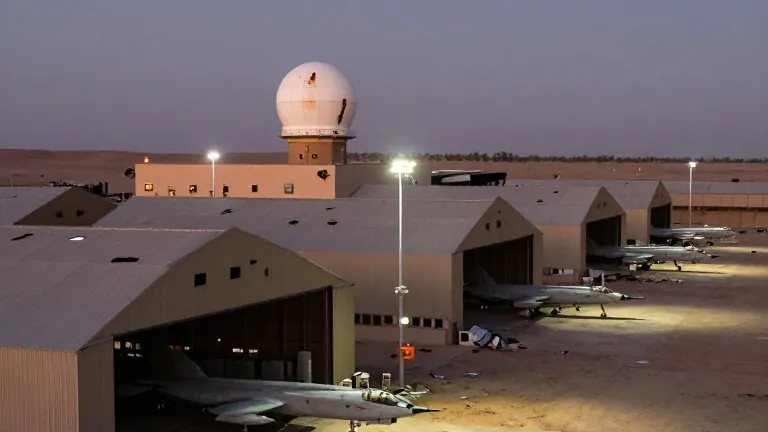
The initial focus was on the backbone of U.S. air defense. Iran destroyed enclosures protecting radar systems at Camp Arifjan in Kuwait and Naval Support Activity Bahrain within the first two days of the war, which began in late February. Portable radars at Prince Sultan Air Base in Saudi Arabia and Muwaffaq Salti Air Base in Jordan were also hit. N.R. Jenzen-Jones of Armament Research Services noted that these early-warning radars are difficult and expensive to repair.
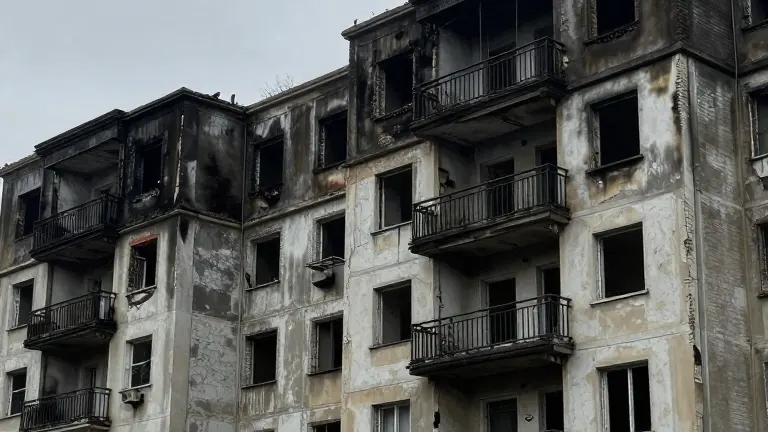
Once the radar network was degraded, the attacks broadened to warehouses, troop housing, and hangars. The deadliest known strike on U.S. troops occurred at Port Shuaiba in Kuwait on March 1, killing six soldiers. Ali Al Salem Air Base in Kuwait was struck at least 30 times, damaging at least 15 aircraft hangars and 10 other buildings. Camp Buehring in Kuwait suffered heavy losses, with its gym destroyed in March and a troop store hit in late July.
A radar in Jordan was reportedly destroyed. It was one of only 13 such systems possessed by the U.S. Army globally, and each costs about half a billion dollars. Another radar in Qatar, purchased in a 2013 deal worth $1.1 billion, was damaged significantly. A Congressional Research Service report updated in October stated that 15 U.S. aircraft had been damaged on regional bases.
Two regional officials said the damage has reshaped the American presence in the region. The U.S. has moved many assets, including aircraft, air defense systems, and communications equipment, out of the Persian Gulf. Raphael Cohen, director of the National Security Program at the RAND School of Public Policy, said the conflict highlights the vulnerability of fixed infrastructure to cheap drone attacks.
U.S. Central Command has refused to specify the extent of the damage, citing operational security. Pentagon spokesman Sean Parnell stated that U.S. forces and bases are well protected. The AP found that major satellite providers blocked or delayed the release of imagery at the request of American officials, leaving limited visual confirmation options until imagery from OneAtlas became available.
Source: ABC News