Inside the Ten Most Critical Senate Races of 2026
As polls open, voters in ten key states weigh cost of living, health care, and the Iran war in a decisive test of congressional control.
By Luca Stewart ·
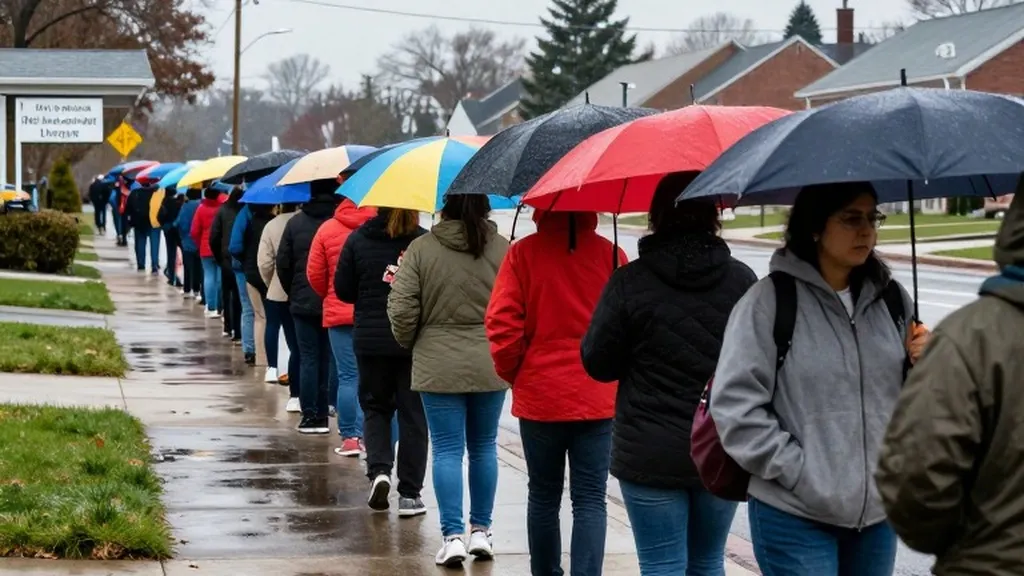
Voters across the United States are casting ballots on Tuesday, November 3, 2026, in a midterm election that will determine which party controls Congress during the final two years of President Donald Trump's second term. With thirty-five Senate seats up for grabs, the focus has narrowed to ten specific matchups that could tip the balance of power in the upper chamber. Democrats currently hold forty-five seats and need a net gain of four to achieve a majority, while Republicans hold fifty-three and can afford to lose only two. The outcome will shape the administration's ability to legislate and conduct oversight for the remainder of the term.
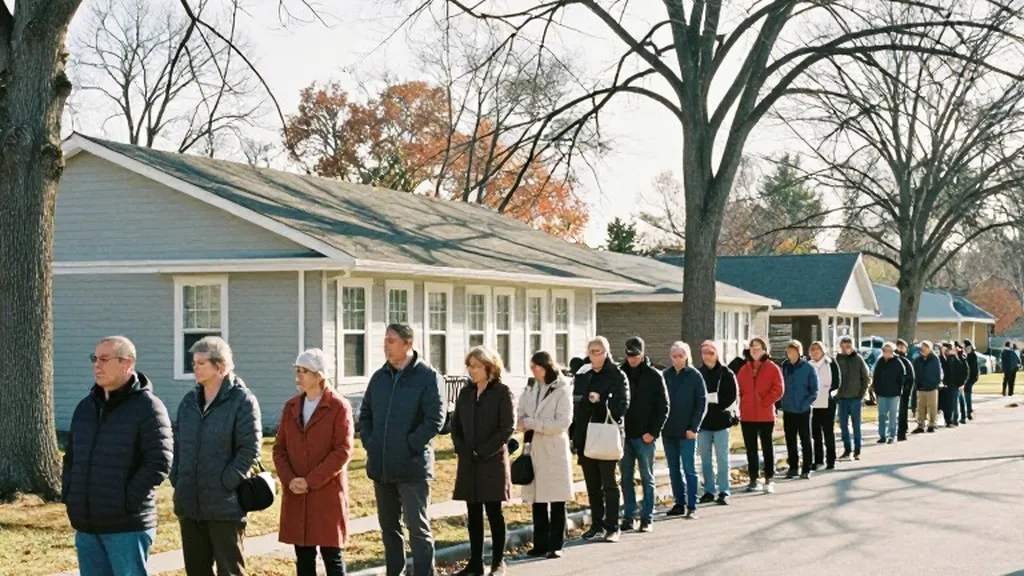
In North Carolina, a state that voted for Trump in 2024, Democratic former Governor Roy Cooper faces Republican former RNC chair Michael Whatley in an open seat. The race follows the retirement of Senator Thom Tillis, who stepped down after public clashes with the president. Voters in Raleigh and across the state are grappling with rising costs, a theme captured by local librarian James Moore, who noted that he is paying more for taxes, health care, and everyday goods. The Associated Press describes the national mood as one of struggle with high prices, a sentiment that is particularly palpable in this battleground.
Georgia presents another critical contest where incumbent Democratic Senator Jon Ossoff is defending his seat against Republican Representative Mike Collins. The state voted for Trump by a margin of 2.2 percent in 2024, making it a pivotal swing state in this cycle. The Associated Press notes that the election is being viewed as a referendum on the administration's handling of the unpopular war with Iran, an issue that has resonated with many voters in the South. Polling data from AP-NORC indicates that about seven in ten Americans believe the country is heading in the wrong direction, a view that is driving turnout in states like Georgia.
In Ohio, the race is for the special election to fill the seat vacated by Vice President JD Vance. Democratic former Senator Sherrod Brown is challenging incumbent Republican Senator Jon Husted. Trump held a rally in Salina, Kansas, the previous Sunday, where he urged voters to "pretend I'm on the ballot," highlighting the administration's direct involvement in the midterms. In Ohio, the new congressional maps are also in play, as the state uses a redistricted map for these elections. The stakes are high as Republicans attempt to break the historical pattern of losing seats in midterms.
Michigan offers a high-profile open seat following the retirement of Senator Gary Peters. The race pits Republican former Representative Mike Rogers against Democrat Abdul El-Sayed. In a significant development, El-Sayed's former primary opponent, Haley Stevens, endorsed Rogers on Sunday. This shift reflects the intense competition in the state, where Trump won by only 1.4 percent in 2024. The Associated Press highlights that economic strain and tariffs have made states like Michigan and Maine highly competitive, as voters weigh the impact of trade policies on their household budgets.
Texas is a crucial battleground for the special election, with Republican Attorney General Ken Paxton facing Democrat James Talarico. Trump backed Paxton over incumbent Senator John Cornyn in the primary, signaling a preference for a more aligned candidate. The state voted for Trump by 13.6 percent in 2024, but the race remains a focal point for Democrats seeking to gain ground. The Associated Press notes that Republicans were bracing for potential losses in the House and are fighting to hold the Senate, with Texas being a key target for maintaining their slim majority.
Maine stands out as a toss-up race on all four major ratings, featuring incumbent Republican Senator Susan Collins against Democratic former State Senate President Troy Jackson. The state voted for Kamala Harris by 6.9 percent in 2024, making it a potential target for Democratic expansion. The Associated Press points to economic strain and the impact of tariffs as key drivers of competitiveness in Maine. Voters are closely watching the health care costs and the administration's trade policies, which have raised concerns among residents in this New England state.
New Hampshire is another open seat, with Democratic Representative Chris Pappas challenging former Republican Senator John E. Sununu for the seat vacated by retiring Senator Jeanne Shaheen. The state voted for Harris by 2.8 percent in 2024, placing it in the category of competitive races. The Associated Press highlights the importance of this seat in the broader fight for Senate control. The race is part of a broader trend where Democrats are looking to hold or gain seats in states that lean Republican but have shown recent shifts in presidential voting.
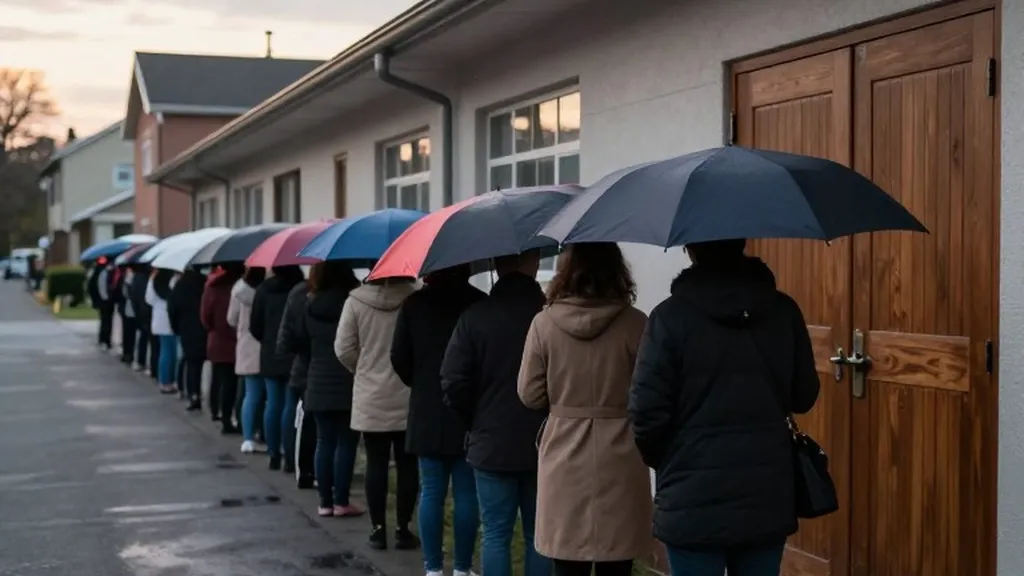
Minnesota is deciding the seat of retiring Senator Tina Smith, with Democratic Lieutenant Governor Peggy Flanagan and Republican Michele Tafoya among four candidates in the race. The state has a history of competitive Senate elections, and the outcome will be crucial for both parties. The Associated Press notes that the election is a test of the administration's policies on cost of living and health care. Voters in Minnesota are engaged in the process, with early voting numbers surpassing those from four years ago in many closely watched states.
Kansas, a reliably Republican state, has become central to the fight for Senate control. The race features incumbent Republican Senator Roger Marshall, and the state voted for Trump by 16.2 percent in 2024. Despite the Republican lean, the race is rated as a toss-up to lean Republican by major polling organizations. The Associated Press notes that Trump's rally in Salina was a key moment in the state's campaign, as he sought to energize the base. The race is a microcosm of the national struggle, with voters weighing the president's performance against the costs of living and the conduct of the war in Iran.