
Kyiv Accelerates Search for Alternatives to Starlink Amid Service Volatility
Ukrainian officials and European partners are urgently evaluating backup communication systems as reliance on the dominant satellite network becomes increasingly complex.
By John Laurent ·
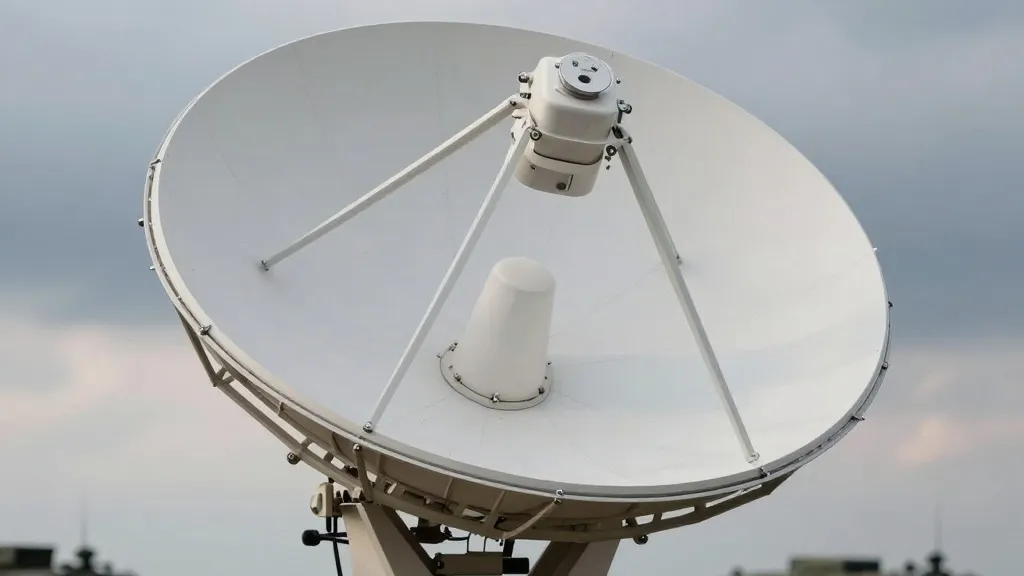
The most recent surprise interruptions to satellite service in Ukraine have forced a significant reassessment of the nation's digital infrastructure strategy. As these disruptions persist, Ukrainian leadership and its European allies are now confronting the critical task of establishing viable communication pathways that do not rely exclusively on the dominant commercial provider. This shift marks a notable evolution in how the conflict is being managed from a technological standpoint.
For several years, the Starlink network has served as a foundational element of Ukraine’s resistance against the full-scale Russian invasion. The system has provided essential high-speed internet and data streams to civilians and military units alike. Its compact terminals have allowed for the maintenance of vital communications channels, enabling the Ukrainian military to remotely control drones for air defense and to strike targets deep within enemy lines. This capability has been central to the effectiveness of recent defensive and offensive operations.
However, the reliability of this infrastructure has come under strain. Observers note that the service has become less predictable, a trend attributed in part to the political positioning of the service’s owner. These factors have introduced uncertainty into a sector that was previously viewed as stable and indispensable. The recent outages have highlighted the vulnerabilities inherent in depending on a single commercial entity for critical wartime communications.
Industry experts acknowledge the current superiority of the existing network. According to the head of hardware research and development at BlueBird Tech, the service offers some of the best satellite coverage available. This assessment considers the combination of cost, availability, and ease of use, noting that there are virtually no competitors that match this profile. The primary practical limitation identified is the physical requirement to position the antenna correctly to receive signals from the satellites.
To mitigate these risks, the United States government and European nations, including Poland and Germany, have funded the procurement of tens of thousands of commercial terminals for Ukraine. These nations have also covered the associated subscription fees. Furthermore, the US has provided the Ukrainian military with access to a specialized, military-grade version of the service known as Starshield. This advanced tier allows Ukrainian defense companies to test their own technologies in cooperation with the military, offering a potential pathway for greater self-sufficiency.
As the situation develops, the focus is turning toward diversification. While the current system remains the most robust option, the recent volatility has prompted a broader look at alternative solutions. The goal is to ensure that communication networks remain resilient against both technical failures and geopolitical shifts. This transition will likely involve a complex mix of existing commercial assets and new, independently managed systems.
The path forward remains open to question as stakeholders weigh the costs and benefits of various alternatives. For now, the urgency is clear: the need to secure communication channels that are less susceptible to external political influences and technical disruptions is paramount for sustaining the ongoing defense efforts.
Source: Ars Technica · original report published