
Tech Trend: Microduck Robots Surge After Nvidia CEO Demo
Following a viral keynote demonstration in Berlin, preorders for the cute, open-source Microduck robots have exceeded 20,000 units, positioning them as a potential holiday season blockbuster.
By Thomas Schneider ·
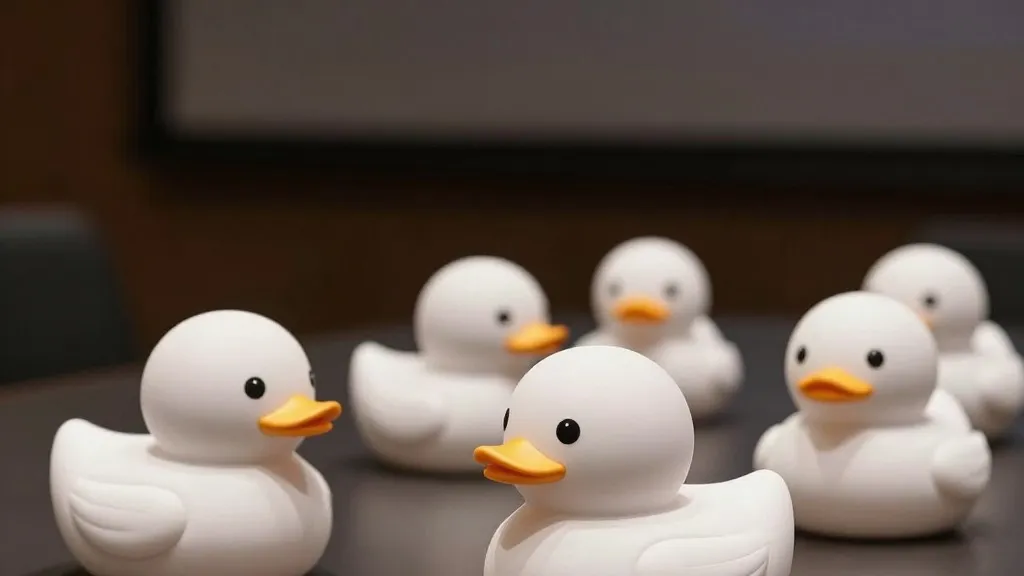
The digital toy landscape shifted dramatically this week as a clip featuring Nvidia Chief Executive Officer Jensen Huang interacting with a group of waddling robotic ducks captured the internet's attention. The footage, which circulated widely after being shared from the company's GTC Berlin conference, showed Huang playing with the devices, leading to an immediate spike in consumer interest. By the following day, preorders for the Microducks had surpassed the 20,000-unit mark, a figure confirmed by Hugging Face executive Clem Delangue on social media.
The sudden popularity of the Microducks is poised to make them a major player in the holiday market. With shipments scheduled to arrive in time for Christmas, these devices are rapidly emerging as a top contender for the most popular toy of the season. Delangue has suggested that the robots could become the best-selling robotic device of the year, noting that their appeal extends well beyond the traditional child demographic. Promotional materials have highlighted adults engaging with the toys, suggesting a broad audience base for the product.
The Microducks are open-source hardware units developed by Pollen Robotics. This company was acquired by Hugging Face in 2025, and since Nvidia purchased Hugging Face in September, the robotics division is now officially part of the GPU giant's portfolio. This is not the first robotic offering from this corporate lineage; Hugging Face previously released the Reachy Mini, another cute robotic device that established the brand's presence in the consumer robotics space.
The technical foundation of the Microducks relies heavily on Nvidia’s proprietary technology stack. The robots were trained using simulation environments where they learned fundamental behaviors such as walking, sitting, and standing. These basic tricks are included in the device's default software upon purchase. The open-source nature of the hardware allows for significant customization, enabling owners to teach their specific units new maneuvers. Furthermore, the community aspect is a key feature, as users can share their custom-trained tricks with other owners of the device.
The viral moment that sparked this trend occurred during a keynote presentation. In the video, the flock of Microducks demonstrated a variety of programmed actions, including stomping their feet, performing somersaults on voice command, and simulating a nap by falling over. The robots also produced small, mechanical noises reminiscent of the astromech droid from the Star Wars franchise. The combination of their physical cuteness and responsive behavior made the clip highly shareable, serving as a light-hearted contrast to the week's heavier news cycles.
The timing of this viral moment provided a notable palate cleanser for an industry that had recently faced scrutiny. Earlier in the week, the artificial intelligence sector dealt with a series of incidents where AI involvement was blamed for a string of cyberattacks. Those events highlighted the potential risks and complexities of the technology. In contrast, the Microduck demonstration showcased the fun and accessible side of AI, illustrating that the technology can be both powerful and playful.
The rapid uptake of the Microducks suggests a strong market appetite for accessible, interactive robotics. The fact that preorders hit the 20,000 threshold so quickly after the initial video release indicates that the product has struck a chord with consumers. The open-source model lowers the barrier to entry for enthusiasts who want to tinker with the hardware, while the pre-trained behaviors ensure that even non-technical users can enjoy the device immediately.
As the holiday season approaches, retailers and consumers alike are watching to see if the Microducks will maintain their momentum. The integration of the device into the Nvidia and Hugging Face ecosystems provides a unique marketing advantage, leveraging the brand recognition of major tech companies. The robots' ability to be customized and shared within a community adds a social dimension to the toy, potentially driving further organic growth in sales.
For now, the Microducks stand as a testament to the power of viral marketing in the tech industry. A single video featuring a high-profile CEO interacting with a novel product was enough to propel a niche robotics device into the mainstream conversation. As the units begin to ship, the next few weeks will determine whether the initial hype translates into sustained sales success, potentially cementing the Microduck as the defining gadget of the 2026 holiday season.
Source: TechCrunch · original report published