Tesla Sets Late 2027 Target for Optimus Robot Deliveries
Elon Musk cites unresolved hand and durability issues as the primary hurdles delaying external sales of the humanoid robot.
By Thomas Schneider ·
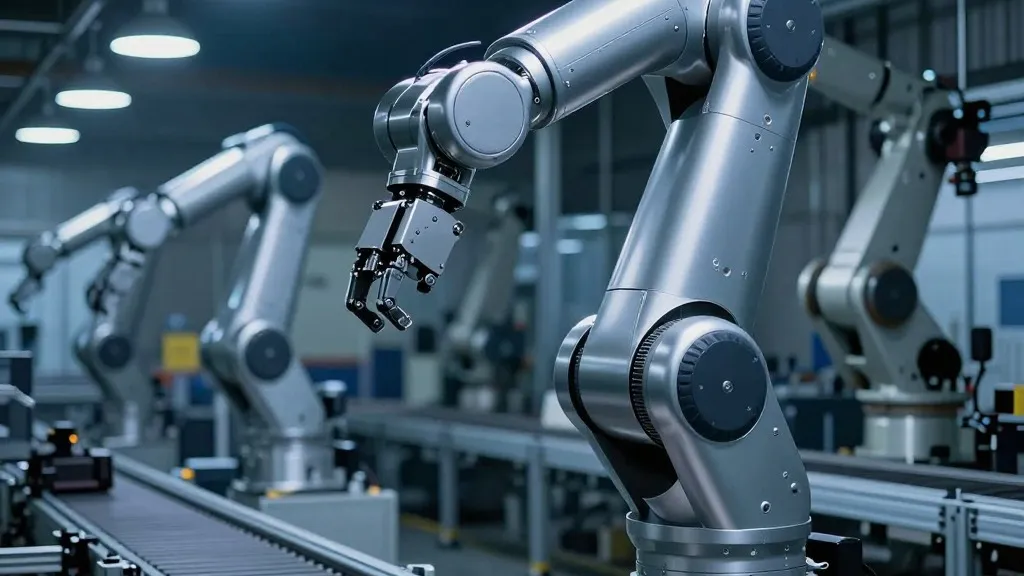
Tesla has officially pushed the timeline for delivering its Optimus humanoid robots to outside customers to the end of 2027. During the Q3 2026 earnings call, CEO Elon Musk explained that the robot’s hands, overall durability, and artificial intelligence still require significant development before the machines can reliably serve external clients.
Production is already underway at the Fremont plant, where the Model S and Model X used to be built. Musk noted that most of a line designed for one million robots annually is installed, yet reaching that capacity of roughly 20,000 units per week will take at least another year. The delay is partly due to ongoing design changes, particularly in the electromechanical components and the AI architecture that drives the system.
The most difficult hardware challenge remains the robot’s hand. A Tesla engineer highlighted that fingers must be soft enough to handle delicate objects while enduring constant wear, a feat complicated by the fact that robots cannot heal like human skin. Custom gears also pose reliability risks. To address the AI gap, Tesla plans to build 10,000 to 20,000 robots for an internal training program called the Optimus Academy, allowing them to practice tasks without a large fleet of data-gathering vehicles like those used for its car autopilot system.
Musk also promised a video within the next month or two showing Optimus performing unscripted tasks. He argued that many competitor demos rely on pre-programmed routines that would fail in real-world conditions. The company intends to integrate its AI5 chip into Optimus around April 2027, aiming to solve generalization issues before external shipments begin with industrial applications.
Competitors are moving quickly despite Tesla’s claim that no one is close. XPeng has activated an automated production line in Guangzhou with a plan for mass production by late 2026 and deliveries in early 2027. Meanwhile, Boston Dynamics has begun producing its electric Atlas robot and has committed all 2026 deployments, including to Google DeepMind. Hyundai is also opening a training center in Georgia for Atlas to learn automotive assembly tasks.
The shifting timeline reflects a broader struggle in the industry to create robots that are both durable and intelligent enough to pay for themselves. While Tesla has built more units than any rival, the focus is now on making them useful rather than just increasing volume. Investors will be watching closely to see if the late 2027 target holds, especially after previous dates for internal use and high-volume production have already slipped.
This delay underscores the technical complexity of general-purpose robotics. As electricity rates climb and the grid faces more pressure from AI infrastructure, the efficiency of these machines will be critical. Tesla’s next few months will be decisive in proving whether its Optimus can transition from a production prototype to a reliable workhorse for the industrial sector.
Source: Electrek · original report published