Tesla Builds a Robot School to Train Optimus for Mass Production
Tesla is using thousands of its own robots to generate training data for the next generation of Optimus units.
By John Laurent ·
Tesla is facing a unique challenge as it moves its humanoid robot from prototype to product. Unlike its cars, which have millions of units on the road sending back data, the Optimus line is just getting started. The company needs a way to teach these machines complex tasks without an existing fleet to learn from. Their solution is a dedicated training environment that acts as a school for the robots.
The production shift has already begun in Fremont. Tesla has repurposed the space that previously built Model S and Model X vehicles. The company cleared out the old car assembly line in just 46 days this spring. This new setup is designed to handle high volume output, with current estimates pointing toward 20,000 units per week as the line ramps up. Elon Musk stated on the recent earnings call that most of the necessary equipment is already in place.
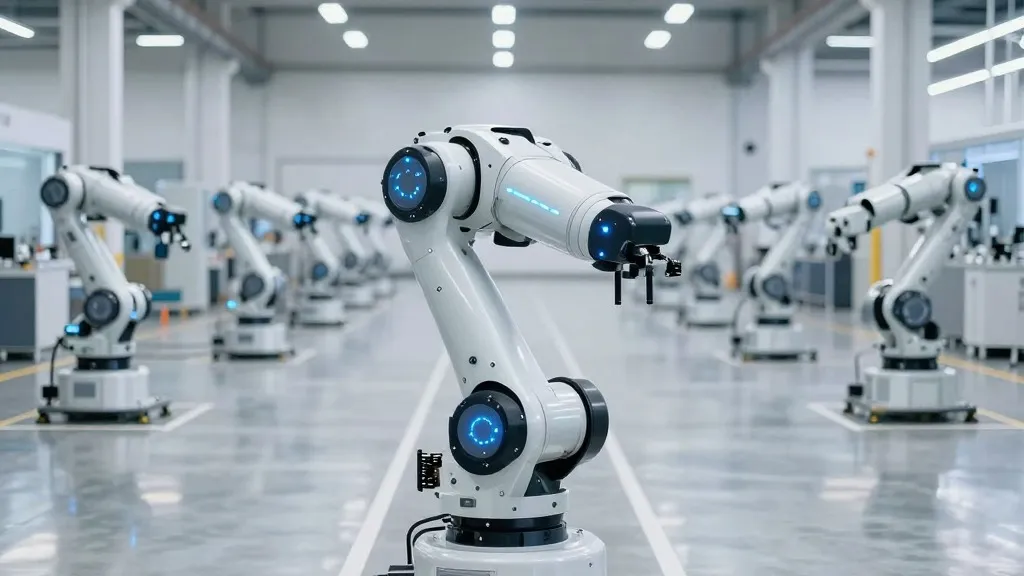
The core of the new strategy is what Tesla calls the Optimus Academy. This facility will house between 10,000 and 20,000 robots that practice various tasks. Every unit coming off the production line is intended to become a source of training data. The robots feed what they learn back into the system, allowing the AI to improve with each iteration. This creates a feedback loop that helps the machines refine their movements and decision making without human intervention for every single task.
Musk described the growth trajectory of the robot program as an S curve. He noted that the initial slope will be shallow as the team works through the early stages of the ramp. The engineering focus is currently on refining the AI, electromechanical design, and overall reliability. Tesla expects to complete this refinement work by the end of next year. At that point, the company plans to begin delivering units to outside businesses for jobs that are dangerous, repetitive, or require around the clock operation.
Hardware upgrades are also on the horizon to support this growth. Tesla plans to integrate its new AI5 chip into the robots next year. Musk indicated that a new video demonstrating the robot completing tasks driven by AI rather than preprogrammed motions should be released within one or two months. He contrasted this approach with rival humanoid demos that rely on scripted routines, arguing that those methods will not hold up in real world conditions.
The supply chain is aligning with this production push. In September, Tesla certified Tuopu, Joyson, and Sanhua as mass production partners for key components. A much larger factory dedicated to Optimus is also under construction at Giga Texas. Drone footage recently showed the steel frame of that facility nearing completion. Musk has set a long term target for that plant to produce 10 million robots per year.
Cost efficiency is a central goal for the program. Executives noted that production costs are trending toward the expected manufacturing cost of the Cybercab. This suggests the robot is being engineered for volume from the start. However, the design of the hands remains the toughest engineering challenge. Much of the current effort is focused on solving the issues with those components to ensure the final product is reliable and durable.
Source: Teslarati · original report published