U.S. Military Working Dog Supply to Shift from Europe to Lab-Engineered Breeds
A new venture backed by $200 million aims to clone and gene-edit canines for defense and law enforcement, addressing a critical shortage in domestic working dog availability.
By Luca Stewart ·
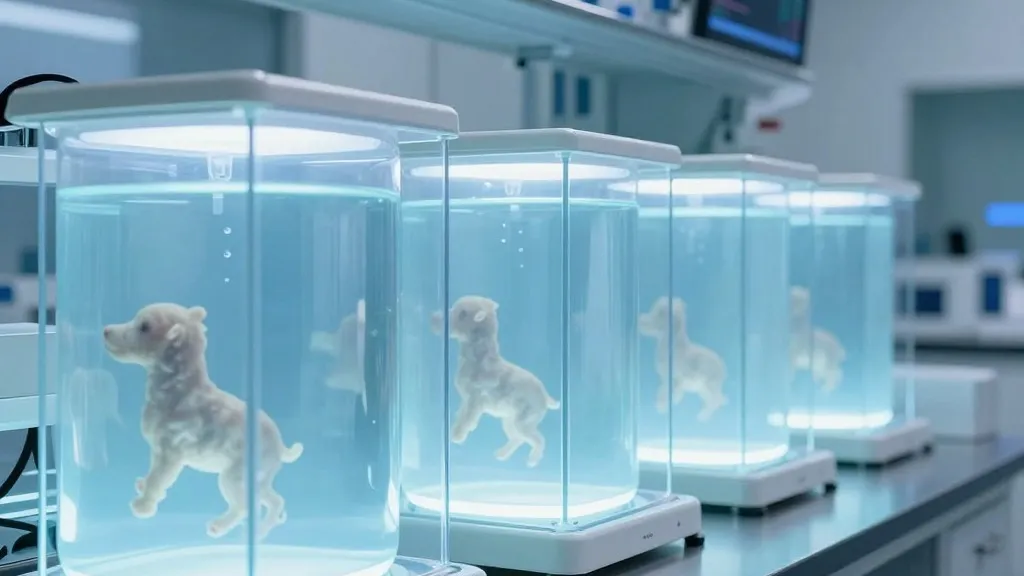
For the first time in decades, the United States may no longer rely primarily on European breeding programs to supply its military and law enforcement with working dogs. A new company named Warhound has emerged from stealth with a $200 million funding round, aiming to produce domestically engineered canines for bomb detection, search operations, and other high-risk tasks. The venture, which includes backing from Sequoia, 8VC, Corner Ventures, and In-Q-Tel, values the firm at $1.2 billion and seeks to solve a growing logistical gap in national security resources.
The primary driver for Warhound is a significant decline in the domestic working dog pipeline. According to the company’s launch materials, more than 80% of U.S. military working dogs are currently sourced from Europe, with less than half of those imported animals deeming fit for service. This dependency has placed pressure on defense agencies to find reliable, domestic alternatives. Warhound plans to use genetic engineering to create dogs with specific traits suited for demanding missions, potentially reducing the need for foreign imports and improving the overall health and longevity of the animals.
The project is a collaboration between Ben Lamm of Colossal Biosciences and Palmer Luckey of Anduril. Lamm explained that he met Luckey approximately a year ago, where they discussed the challenges facing military working dogs. Research indicated that many dogs fail training due to inherited conditions such as poor eyesight, hip dysplasia, or high cancer risks. To counter this, Lamm’s team is using cell lines from top-performing breeds, specifically the Belgian Malinois and German Shepherd, to create a biobank for genetic editing.
While Colossal provides the biological technology to edit genes for speed, agility, and olfactory enhancement, Anduril will supply the hardware and software necessary for field operations. This includes protective gear like vests and goggles equipped with data sensors. These devices will provide handlers with real-time situational awareness, effectively adding a layer of technological safety that sits on the dog rather than within its genetics. Lamm noted that making the animal safer and healthier will directly improve its performance in the line of duty.
The first batch of dogs is expected to be cloned and incubated shortly, with births anticipated in early 2027. If the timeline holds, these animals could enter service within two years. Viagen, another entity under the Colossal umbrella, will handle the cloning process, utilizing technology that has shown high success rates in other biological projects. The company has not yet finalized pricing but expects to sell directly to the Department of Defense, police forces, and first responder groups.
Questions regarding civilian safety and government approval remain open, though Lamm stated that the company has briefed numerous government bodies. Each dog will undergo standard military working dog training and be managed by its purchasing agency. The company is also working with the American Humane Society to certify its training program. The Society stated it was pleased to be involved, emphasizing its commitment to science and ethics in ensuring the animals are treated humanely. Retired dogs from this new program are expected to enter the Society’s reunification program, similar to traditional military working dogs.
Source: TechCrunch · original report published