AI lies flood US social feeds before midterms
Campaigns report a surge in deepfakes and false claims as platforms reduce human moderation teams.
By Thomas Schneider ·
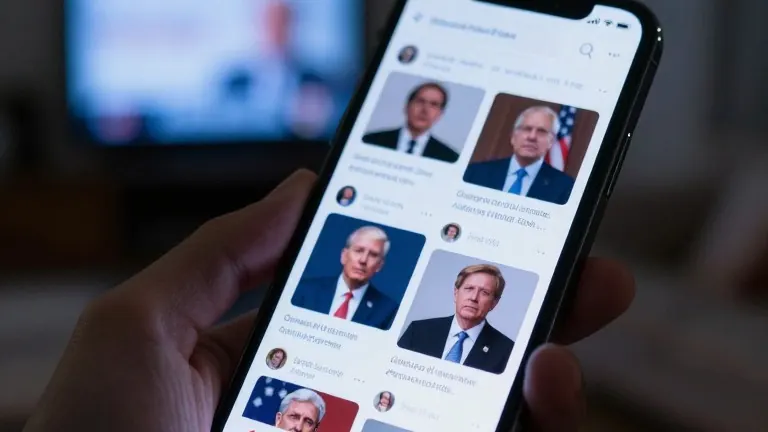
Americans preparing to vote in November face a heavier load of artificial intelligence generated lies on social media. Experts warn that many of these posts are slipping through automated filters without human review. Social media companies have cut back on staff dedicated to protecting voters from manipulative content. This shift follows a right wing pushback against speech restrictions that intensified after Elon Musk took over X and Donald Trump won the 2024 election. Frances Haugen, a former Facebook data engineer, said that running a high quality information operation is now cheaper than it was in 2016. She noted that creators can tweak posts slightly to evade detection rules.
Texas Senate candidate James Talarico experienced this dynamic earlier this month. After taking time off for the flu, false stories spread that he was being treated in a mental health facility in Ohio. A right wing figure pushed the claim using an edited phone call. Talarico’s team released security camera footage showing him at home in Texas. He confirmed he had never been to Ohio. The Digital Democracy Institute of the Americas tracked the lie as it changed. The initial English claim mutated into a Spanish language version stating he had attempted suicide. Roberta Braga, the institute’s director, said platforms enforce rules more consistently in English. She argued that fewer guardrails exist for Spanish content, especially with the move toward community based moderation.
Ken Paxton, Talarico’s Republican opponent, also used AI in a campaign ad. The video showed Talarico, a Presbyterian seminarian, rewriting the Bible. Talarico told NBC News in September that Texans are fed up with such lies. He said these deepfakes do not help voters understand their choices. In Pennsylvania, Democrat Janelle Stelson’s campaign fought a different viral claim. Posts said an undocumented immigrant arrested for indecent exposure was a paid worker for Stelson. Charles Wall, the deputy director of Immigration and Customs Enforcement, amplified the claim in an official statement. He called it unbelievable that Stelson would employ an illegal alien. Stelson’s team released records showing the man, Chimaobim Adedayo Igbojekwe, held no paid position. The Republican opponent continues to run ads with the claim.
Nora Benavidez, an attorney with Free Press, said President Trump has used federal agencies to interfere in elections. She pointed to actions by the Postal Service and Homeland Security. Platforms like Meta require ads to disclose synthetic media. They ban posts that misrepresent voting dates or locations. Meta does not actively moderate most political commentary. YouTube allows users to report content under the same guidelines for everyone. It bans claims that materially discourage voting or misstate eligibility. Google uses likeness detection to help civic leaders request removals of false AI videos. X replaced internal safety reviews with a community notes program. Its policy bars false information about voting mechanics. Experts argue the policy lacks enforcement.
Haugen said that when AI tweaks content to get past filters, the focus must shift to distribution systems. She asked what biases exist in feedback cycles. She suggested that community feedback needs to dampen the spread of false information. Stelson’s campaign is considering legal avenues to fight the false ads. No direct complaints have been filed with the social media platforms yet.
Source: The Guardian