Midterm spending tops records as parties split on strategy
Republican committees outspent Democrats at the committee level, but Democratic candidates raised more, setting the stage for a costly fight over Congress.
By John Laurent ·
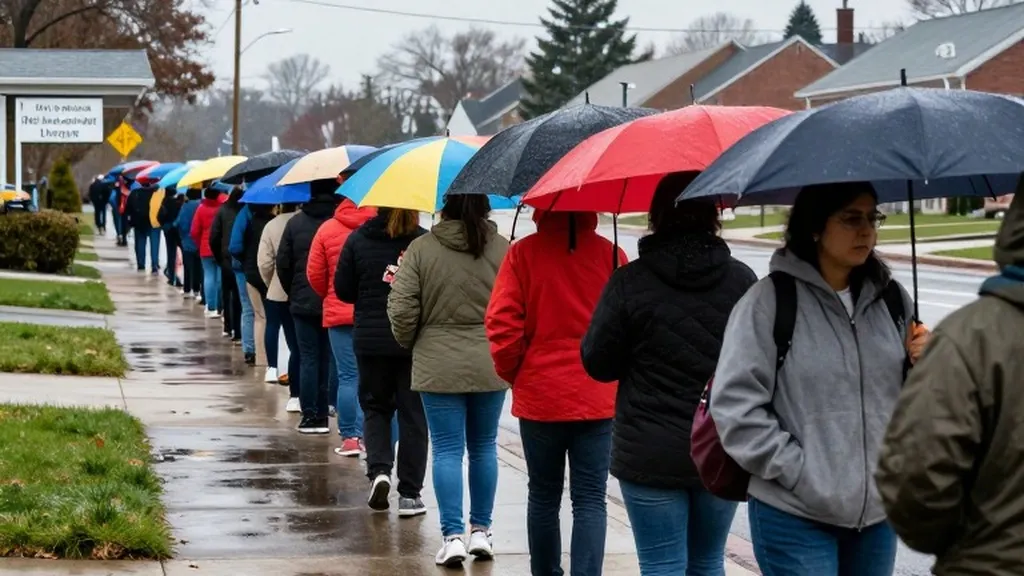
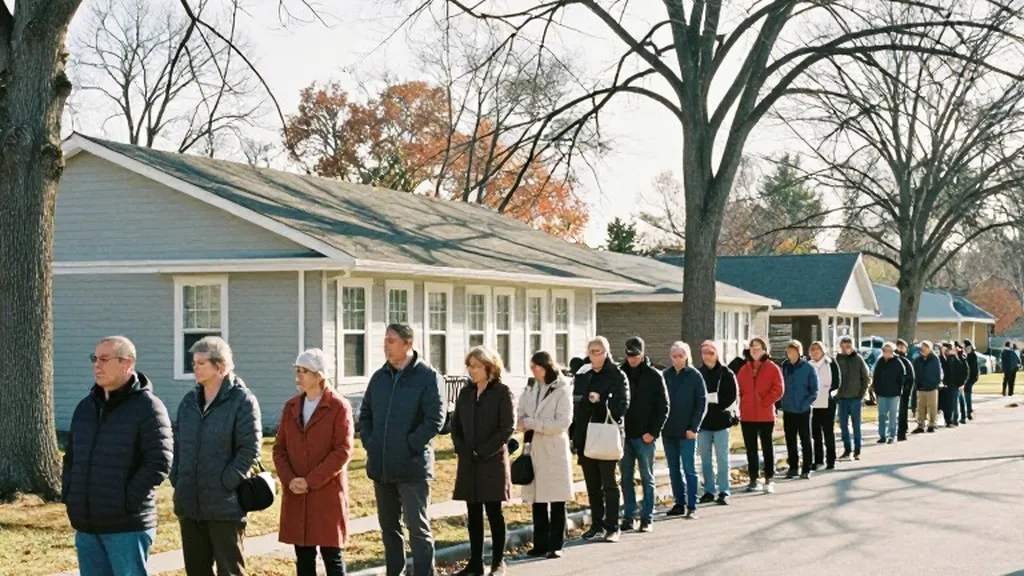
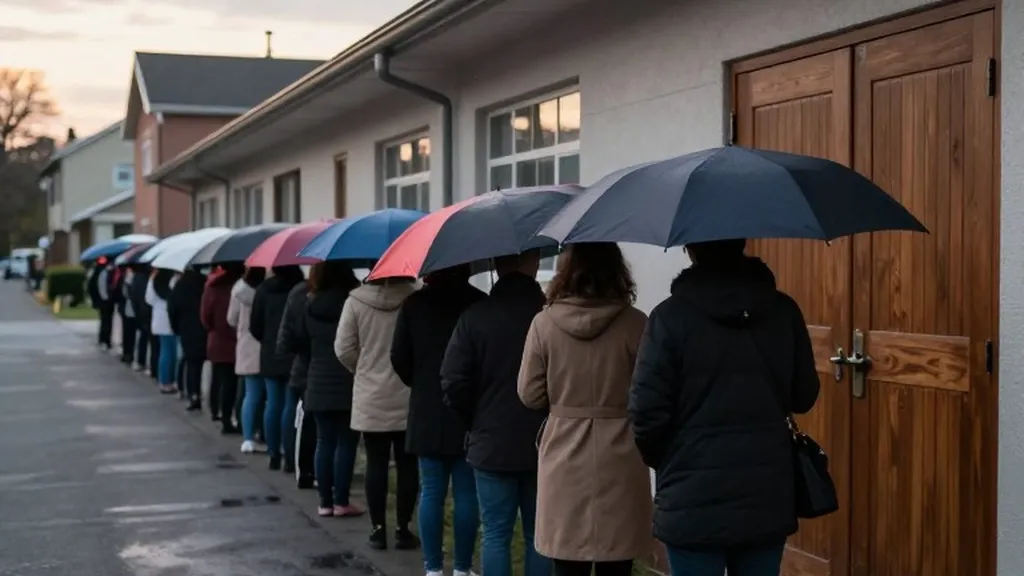
Voters heading to the polls on Election Day are participating in what is shaping up to be the most expensive midterm election in American history. The Associated Press reports that total spending is expected to surpass previous records, driven by intense competition for control of Congress during the final two years of President Donald Trump's second term. While the polls remain open, the financial landscape reveals a distinct strategic divergence between the two major parties regarding where and how they are deploying their resources.
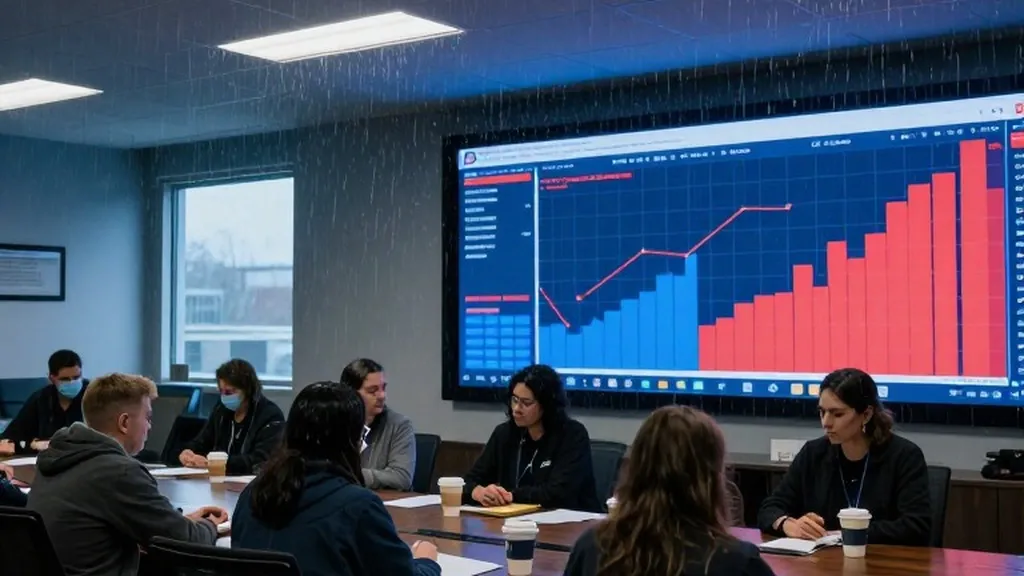
According to an AP analysis of AdImpact data, the overall picture shows Republican committees outraising and outspending their Democratic counterparts at the committee level. This advantage was bolstered by significant contributions and support from Trump-affiliated groups as well as billionaire Elon Musk. However, this committee-level dominance masks a different reality at the candidate level, where Democratic candidates actually outraised their Republican opponents. This split suggests that while Republican infrastructure and super PACs have a larger war chest, individual Democratic candidates have been more successful in mobilizing grassroots funds directly to their races.
The allocation of that spending provides a clear window into the parties' strategic priorities. The data indicates that 88.1 percent of all Republican general election television ad spending was directed toward states and districts that Donald Trump won in the 2024 presidential election. Within that category, Republicans spent more than 850 million dollars in areas where Trump carried the state by ten points or more. This heavy concentration of funds in solidly red territory suggests a defensive posture, aiming to protect incumbent seats and shore up vulnerable Republican-held districts against a potential Democratic surge.
In contrast, the Democratic strategy appears to focus on efficiency and candidate-level growth. By raising more money at the candidate level, Democrats are positioning themselves to fight in competitive districts and states where the margin of victory is tighter. This approach allows them to target specific battlegrounds rather than spreading resources thin across safe red states. The difference in strategy is evident in the race ratings, where several states that Trump won in 2024 are now considered competitive for the Senate and House seats.
The cost of this election is not just a financial figure but a reflection of the high stakes involved in the midterm contest. With all 435 House seats and 35 Senate seats up for grabs, every dollar spent is part of a broader effort to determine which party controls the legislative agenda. The Associated Press notes that one or two seats could tip the balance in either chamber, making the financial edge in those specific districts critical. For Democrats, who need a net gain of three House seats and four Senate seats for a majority, the ability to raise funds at the candidate level is a vital asset.
Republicans, who can afford to lose no more than two House seats and only two Senate seats to maintain their majorities, are leaning on their committee-level spending power to maintain their advantage. The involvement of Trump-affiliated groups and Elon Musk has provided a significant boost to Republican coffers, allowing them to outspend Democrats in aggregate. However, the Democratic candidate-level edge offers a counterweight, particularly in races where local issues and candidate appeal may outweigh national branding.
The financial dynamics of this election also intersect with the broader political context of the day. Voters are grappling with high prices and an unpopular war with Iran, issues that have driven many to the polls. The Associated Press describes the election as a referendum on Trump's second term, with a majority of adults saying the country is heading in the wrong direction. In this environment, the effectiveness of spending becomes a key variable in determining whether those sentiments translate into legislative change.
Democrats are cautiously optimistic about their ability to win control of at least one chamber, which would open the door to investigations and potential impeachment proceedings. House Democratic Leader Hakeem Jeffries has outlined a 100-day agenda focused on the cost of living and oversight, a platform that resonates with voters who feel the financial strain of the administration's policies. The ability to fund that message effectively, both at the committee and candidate levels, will be crucial in the final hours of voting.
Republicans, meanwhile, are bracing for a potential loss in the House while fighting to hold the Senate. Their strategy relies on turnout, with RNC Chairman Joe Gruters stating that everything depends on turning out their voters. The massive spending in Trump-favored districts is an attempt to ensure that base turnout is maximized in the areas where they have the strongest support. Whether this defensive spending will be enough to maintain their slim majorities remains to be seen as the final votes are counted.
The new congressional maps in states like California, Florida, and Texas add another layer of complexity to the financial battle. Republicans hoped that redistricting would help them beat the traditional midterm pattern of the president's party losing seats, but the new districts may not vote as drawn. The financial resources deployed in these new maps will play a decisive role in determining whether the redistricting advantage translates into actual seats. As the day draws to a close, the full impact of this historic spending on the balance of power in Washington will become clear.
Ultimately, the record-breaking costs of this election reflect the intensity of the contest and the high stakes for both parties. The split between committee-level and candidate-level fundraising highlights the different tools each party is using to compete. For Democrats, the candidate-level edge offers hope in tight races, while for Republicans, the committee-level dominance provides a safety net in safer districts. As the polls close, the true value of every dollar spent will be measured in the number of seats each party holds in the new Congress.