Tesla delays unsupervised driving to 2027
The automator clarified that self-driving features will only function within specific Robotaxi service zones next year.
By Luca Stewart ·
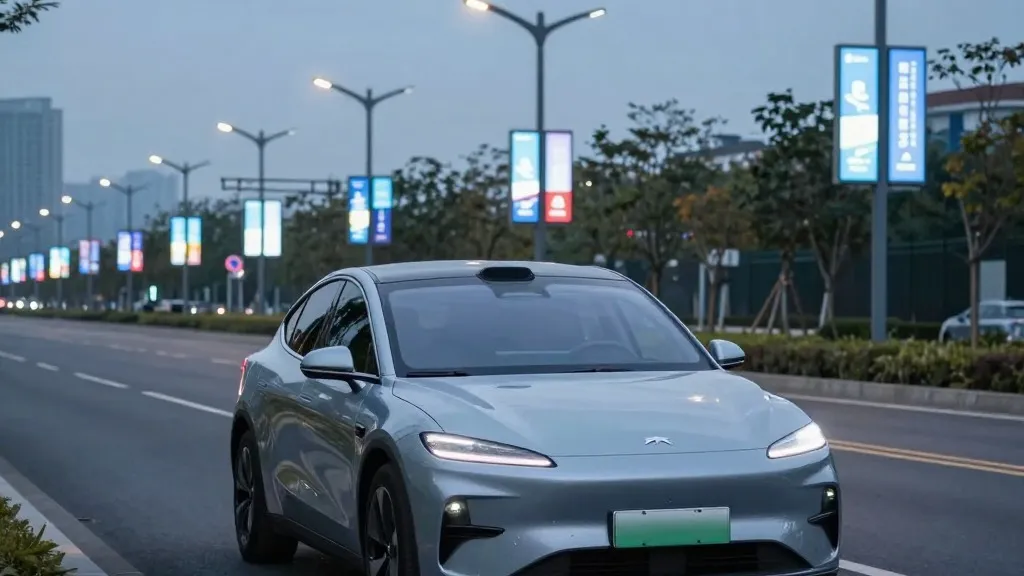
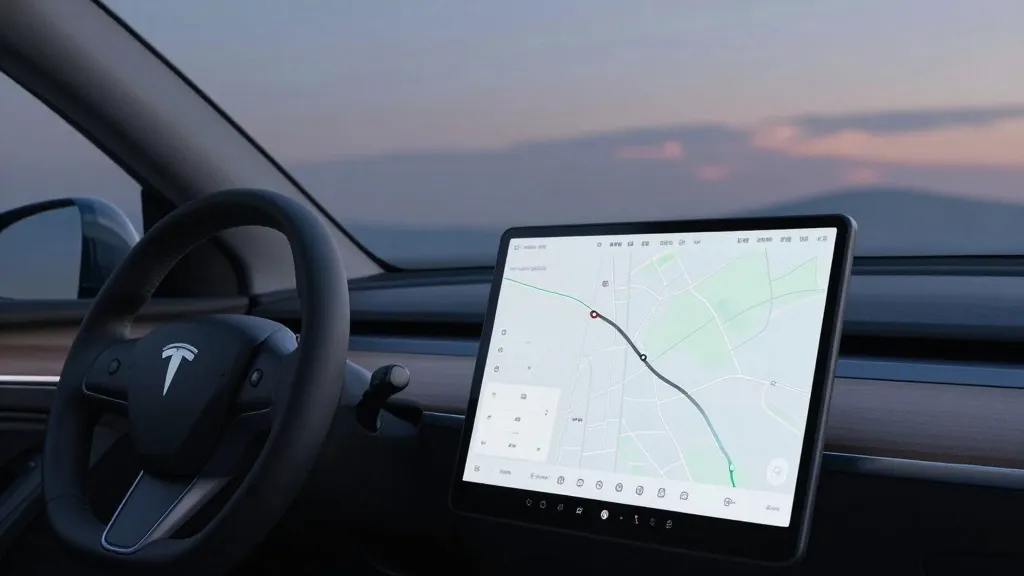
Tesla has officially set a new timeline for its unsupervised Full Self-Driving technology, targeting the second quarter of 2027. This update comes with a significant operational constraint that reshapes the value proposition for existing owners. The company stated that personal vehicles will not operate freely across the entire map. Instead, they will function as part of Tesla's managed Robotaxi network within designated geographic areas.
The financial implications of this strategy are becoming clearer as the company moves closer to its deployment goals. During the third quarter 2026 earnings call, AI chief Ashok Elluswamy provided the specific date for this rollout. He explained that the first step involves adding customer-owned cars to the existing Robotaxi fleet. This means the autonomous capabilities are tied to the infrastructure Tesla has already built for its ride-sharing service. The technology will not be a standalone software update for every road in the country.
The question from investors was direct and heavily weighted in terms of share volume. Retail shareholders asked when they could expect unsupervised FSD in their personal vehicles. This query was backed by approximately 1.1 million shares, indicating a high level of interest and concern among the company's base. Elluswamy's response confirmed the Q2 2027 target but redefined what that product actually looks like in practice. It is a fleet integration model rather than a universal driving assistant.
The geographic limitations of this plan are substantial. Tesla's Robotaxi service currently operates in six US metropolitan areas. However, the service areas within those cities are relatively small slices of the total urban landscape. For example, the Miami zone covers mostly West Miami and a strip toward Doral and Sweetwater. Orlando and Tampa launched in July with similarly restricted geofences. These areas do not yet cover the full extent of the major cities where many Tesla owners reside.
Operational constraints further limit the utility of the system in these zones. The service sticks to low-speed routes and largely avoids highways. It also bypasses the more complex parts of town. In the Bay Area, the system is not fully unsupervised. California regulations require a safety driver in every car because Tesla has not yet released the necessary data to the DMV for a level beyond 2 autonomous systems. This regulatory hurdle adds another layer of complexity to the rollout.
The scale of the current fleet remains modest compared to previous projections. Tesla reported that Robotaxi reached nearly 2 million cumulative unsupervised miles by the end of the third quarter. This milestone occurred a month after the Cybercab joined the Austin fleet. However, third-party tracking data from this spring showed only dozens of fully driverless Teslas on the road. This number is far below the hundreds of thousands that CEO Elon Musk had previously discussed. Competitor Waymo already operates in Orlando and Tampa with over 3 million miles of experience.
The gap between the original marketing promise and the current product definition is widening. For years, Tesla sold FSD as a software update that would eventually allow cars to drive themselves anywhere. In July 2025, Musk told investors that unsupervised FSD would be available for personal use by the end of that year in certain geographies. A year prior, he expressed surprise if the technology was not ready the following year. Now, the target is Q2 2027, and the scope is narrower: cars join the fleet in specific zones under Tesla's terms.
Owners of earlier hardware versions face an additional hurdle. Those with HW3 hardware who purchased FSD have been informed that their computers cannot run unsupervised FSD at all. There is currently no clear upgrade plan for these vehicles. This creates a two-tier market where some owners will have access to the feature while others remain excluded, potentially affecting the resale value and utility of older models. The company must now navigate this transition while managing expectations for a broader release.
The stakes for Tesla involve both customer trust and competitive positioning. By limiting unsupervised driving to Robotaxi zones, the company is prioritizing safety and operational control over widespread adoption. Elluswamy reiterated that safety remains the primary bottleneck, which is why the system is limited to low-speed roads and simpler environments. He believes these issues will be resolved by next year, though he acknowledged uncertainty. For investors, this shift represents a move from a consumer tech product to a managed fleet service, changing the revenue model and the speed of market penetration.
Source: Electrek · original report published
More Business · Customer Complaints · Report a business · Got a Story?