Central Texas Gardening: Fall Planting Cuts Water Use
Kyle gardener Holly Wilson advises planting between mid-October and late November to build deep root systems before summer droughts.
By John Laurent ·
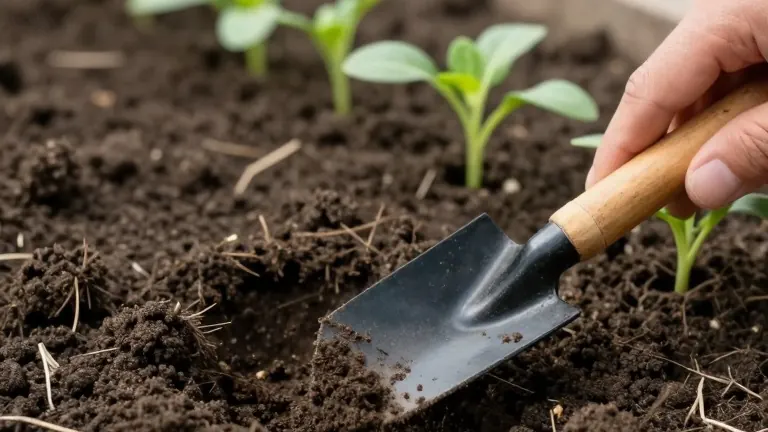
Kyle resident Holly Wilson says the best window to plant a garden in Central Texas opens in mid-October and closes at the end of November. Wilson, who has 40 years of gardening experience, warns that planting in spring or summer forces gardeners to use large amounts of water just to keep new plants alive. Fall rain and cooler temperatures encourage plants to establish roots. This deeper root structure allows plants to tolerate drought better when spring and summer return.
Wilson serves as an organic gardening instructor and a member of the City of Kyle Conservation and Parks and Recreation board. She also teaches for the Native Plant Society of Texas. "I care very much about people being outside and enjoying nature and protecting our environment and nature," Wilson said. "Because humans need nature and nature needs humans to protect it, right? It's a symbiotic relationship, or at least it should be."
Beginners often make two main errors: ignoring plant placement and overlooking mature size. Wilson advises gardeners to research soil, water, and sun requirements before purchasing a plant. She says checking the final size of a plant helps determine if it fits the garden and where to place it.
Wilson avoids all chemical pesticides, herbicides, and fungicides. She uses integrated pest management and creates her own compost from vegetable scraps, leaves, and twigs. She also practices vermicomposting, using worm compost as fertilizer. Beneficial predators, such as lizards and frogs, handle unwanted insects in her garden.
To prevent pest overabundance, Wilson recommends cultural controls. These include selecting plants suited to local soil, providing correct water and sun, and planting at the right time. If pests appear, gardeners can use physical methods like hand squishing or a strong blast of water.
Wilson lists the Hori Hori knife, a Japanese tool, as a favorite for her work. She directs beginners to the Native Plant Society of Texas website for eco-region specific data. She notes that native plants support local ecosystems more effectively than non-native varieties.
Soil health remains central to Wilson's method. She mixes compost into the soil before planting and gently works it around established plants to avoid disturbing roots. She warns that synthetic fertilizers, often petroleum-based, can starve beneficial soil microorganisms. This dependence on chemical inputs can stress plants and reduce their natural health.
Wilson observes a shift toward native plants in the region as water supplies tighten. She notes that 90% of native insects are specialists that rely exclusively on native plants for food. She warns that 15% of adapted non-native plants eventually become invasive, causing environmental and economic damage to farmers and wildlife.
Source: Community Impact Austin