Cost of Living Dominates 2026 Midterm Vote as AP-NORC Poll Shows Low Approval
Voters in key battlegrounds cite tariffs and inflation as primary concerns, with new data revealing a deep divide on economic management.
By Thomas Schneider ·
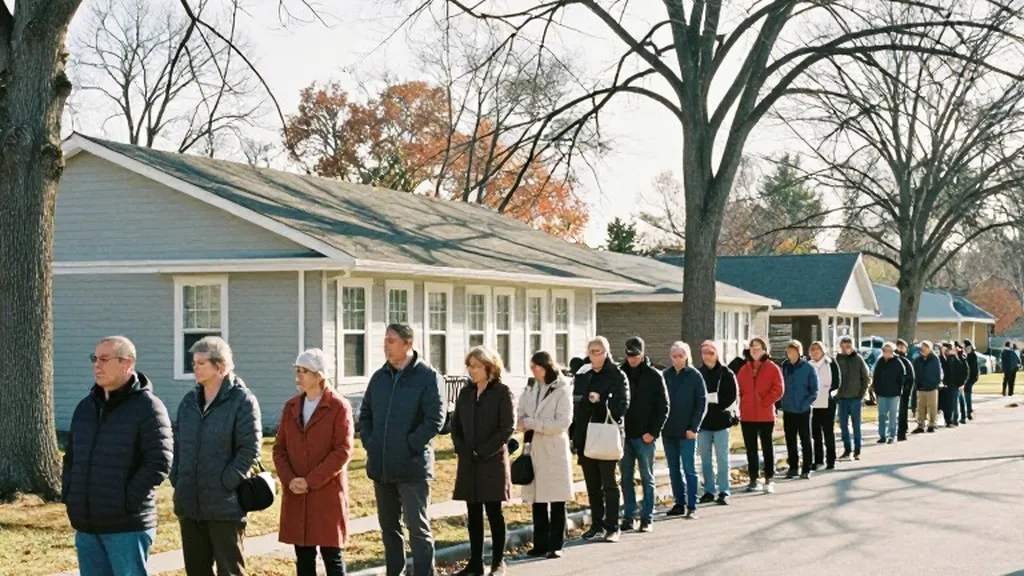
Election Day has arrived in the United States, marking the midpoint of President Donald Trump's second term. Voters across the nation are casting ballots to determine which party controls Congress for the final two years of his administration. The Associated Press describes the contest as a referendum on the current administration, with many citizens expressing frustration over high prices and an unpopular war with Iran. The outcome will shape the legislative landscape for the remainder of the term and influence the trajectory of national policy.
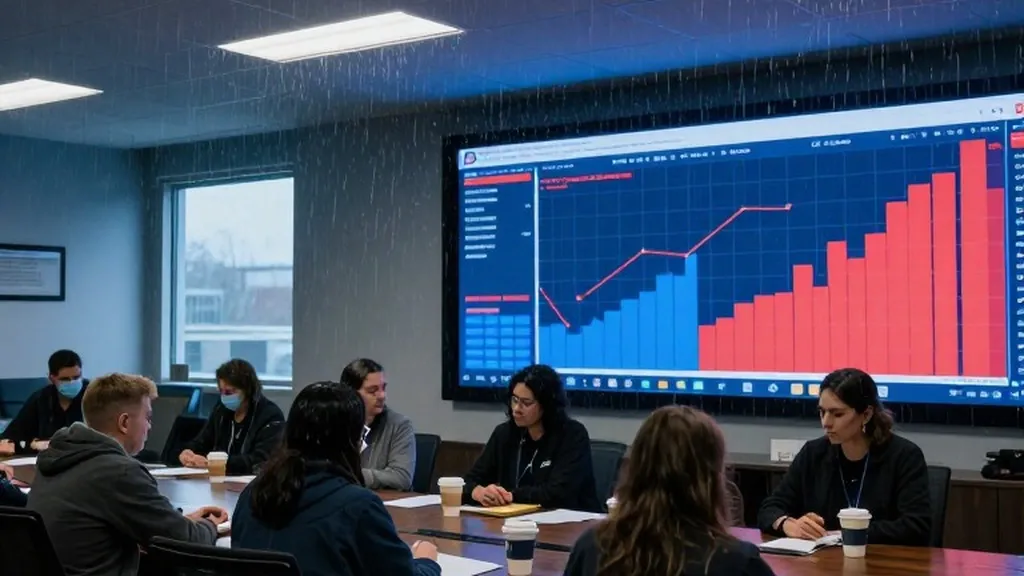
According to AP-NORC polling conducted this week, 35 percent of U.S. adults approve of President Trump's job performance. Approval of his handling of the economy is even lower, standing at 25 percent. Approximately seven in ten respondents said the country is heading in the wrong direction. The vast majority of those surveyed blamed the president for the rise in consumer prices. These figures provide a stark backdrop to the voting behavior observed in early voting lines across the country.
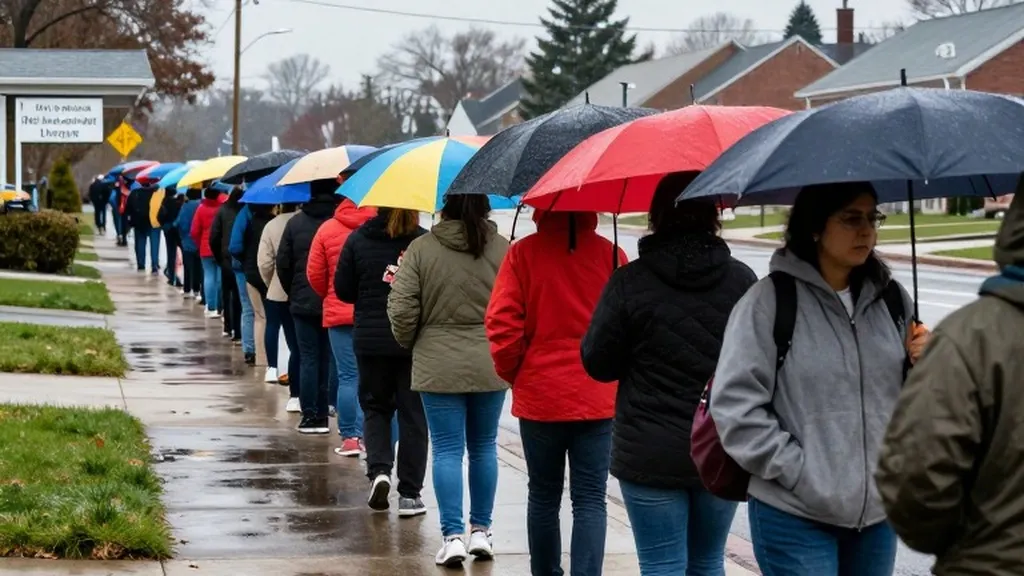
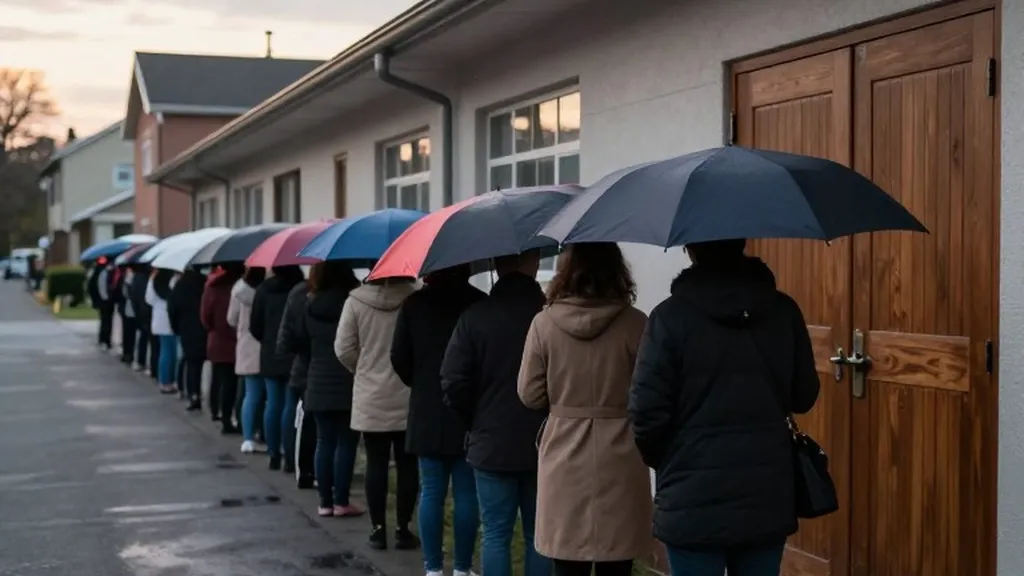
The economic anxiety is palpable in states that could decide control of the Senate. In Raleigh, North Carolina, James Moore, a 57-year-old librarian, expressed his frustration while waiting to vote. Moore stated that he is paying more taxes, more for healthcare, and more for everything. His sentiment reflects a broader trend among Democratic-leaning voters who view the cost of living as the paramount issue. In contrast, Mark Barker of Palm Beach Gardens, Florida, who supported the president in the previous cycle, said he has been following Trump the whole time and believes he is doing an awesome job. This divide highlights the polarized nature of the electorate in this midterm cycle.
The Associated Press notes that tariffs and general economic strain have made several states more competitive than they were in previous cycles. In Maine, Senator Susan Collins faces a tough challenge from Troy Jackson, with the AP citing economic pressures as a key factor in the race's competitiveness. The state, which voted for Kamala Harris in 2024, is currently rated as a toss-up by multiple polling organizations. Similarly, in Georgia, Senator Jon Ossoff is defending his seat against Representative Mike Collins in a state that Trump won by 2.2 points in the last presidential election. The economic mood in these states is heavily influencing voter turnout and candidate messaging.
Financial data from the campaign suggests that money is playing a significant role in this election. The 2026 elections are likely to be the most expensive in history. Republican committees have outraised and outspent their Democratic counterparts, aided by Trump-affiliated groups and contributions from Elon Musk. However, at the candidate level, Democrats have outraised their opponents. An analysis by the Associated Press of AdImpact data shows that 88.1 percent of Republican general election TV ad spending went to states and districts Trump won in 2024. This includes more than $850 million spent in areas where he won by 10 points or more, indicating a focus on solidifying the base in Republican-leaning areas.
The race for the U.S. Senate involves 35 seats, including two special elections. Republicans currently hold 53 seats, while Democrats hold 45, plus two independents who caucus with them. Democrats need a net gain of four seats to achieve a majority in the chamber. The AP reports that Republicans were bracing to lose the House while fighting to hold the Senate, with one or two seats potentially tipping either chamber. In the House, all 435 seats are up for grabs. Democrats need a net gain of three districts to take control, while Republicans can afford to lose no more than two. Ballotpedia has identified 46 battleground districts in the House race.
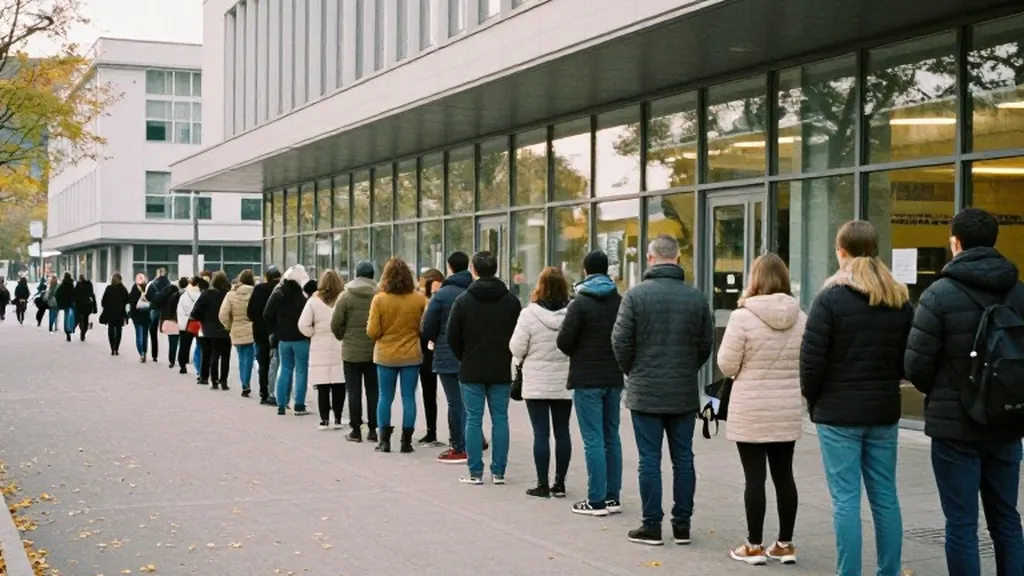
Voter turnout has been robust, with more than 57 million people having already voted as of Monday. This surpasses the early vote totals from four years ago in many closely watched states. The U.S. Postal Service has added extra hours, staff, and special lines to ensure that mail ballots are counted on time. A federal judge temporarily barred the administration from implementing a plan to prevent noncitizen voting, a move critics say could disenfranchise eligible voters. Another judge ordered the administration to stop demanding that California officials segregate ballots from suspected noncitizens, adding another layer of legal complexity to the election administration.
The stakes extend beyond the immediate composition of Congress. If Democrats win even one chamber, investigations and possible impeachment proceedings become more likely. House Democratic Leader Hakeem Jeffries has outlined a 100-day agenda focused on the cost of living and oversight of the administration. A strong Democratic performance would also boost potential 2028 candidates such as Gavin Newsom, JB Pritzker, and Pete Buttigieg. Republicans have attempted to counter the historical midterm pattern of the president's party losing seats through redistricting, but new district maps in states like Florida and North Carolina may not perform as expected.
In the governor's races, 36 offices are on the ballot. Republicans hold 26 governorships and Democrats 24. Democrats are aiming to hold a majority of governorships for the first time in two decades. In Georgia, former Atlanta Mayor Keisha Lance Bottoms is challenging Republican health care executive Rick Jackson. In Ohio, Vivek Ramaswamy is running against Amy Acton, a race that has seen controversy over campaign advertising. The AP identifies Texas, Florida, and Iowa as competitive governor races, where the outcome could influence the broader political dynamics in those states.
As polls close in various time zones, the focus shifts to the count. In the West, states like California and Colorado are largely voting by mail, while in the East, in-person voting is the primary method. The Associated Press notes that the election is being watched closely by Wall Street, where results could impact investor confidence regarding AI spending and debt ceiling negotiations. The mood among Democratic leaders is described as cautiously optimistic, while Republican leaders emphasize the importance of turnout. RNC Chairman Joe Gruters stated that everything depends on turnout, while DCCC Chair Suzan DelBene said the American people are angry and want change.