Iran War Shapes 2026 Midterm Stakes as Voters Face Cost of Living
With polls open across the nation, the unpopular conflict and rising prices are driving a referendum on President Trump's second term.
By John Laurent ·
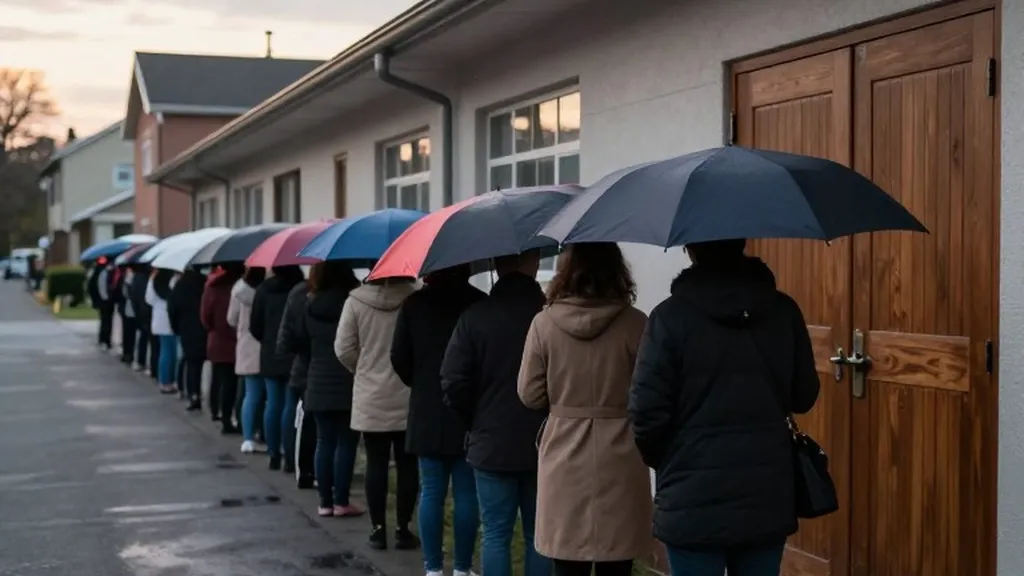
Voters across the United States are casting their ballots on Tuesday, November 3, 2026, in a midterm election that many describe as a direct referendum on President Donald Trump's first two years in office. The Associated Press reports that the public mood is defined by a struggle with high prices and widespread anger over an unpopular war with Iran. These two issues have become the central pillars of the campaign, overshadowing other policy debates as Americans head to the polls or check their mail-in ballots. The results will determine which party controls Congress for the final two years of the president's term, a decision that could significantly alter the trajectory of the administration's foreign and domestic policies.
The war with Iran has emerged as a critical factor in the election, particularly in swing states where the conflict's economic and political fallout is most acutely felt. According to the Associated Press, voters are angry over the war, a sentiment that has contributed to a drop in approval ratings for the president. In states like Maine, the AP notes that economic strain and tariffs have made the race competitive, linking the war's costs to broader inflation concerns. For Democratic candidates, the conflict represents a tangible example of executive overreach and a drain on the national treasury, while Republicans have attempted to frame it as a necessary assertion of strength. The outcome of the Senate races will be heavily influenced by how voters weigh these security and economic factors.
In the race for the U.S. Senate, thirty-five seats are up for election, including thirty-three regular contests and two special elections. Democrats need a net gain of four seats to achieve a majority, while Republicans can afford to lose only two. Ballotpedia identifies thirteen key battlegrounds where the outcome is closely contested. In Georgia, Senator Jon Ossoff faces Representative Mike Collins, a race that the Associated Press highlights as pivotal due to the state's lean toward Democrats in recent presidential elections. Meanwhile, in Michigan, the open seat left by retiring Senator Gary Peters has drawn attention, with former Representative Mike Rogers facing Democrat Abdul El-Sayed. The AP reported that El-Sayed's former primary opponent, Haley Stevens, endorsed Rogers on Sunday, a move that underscores the intense competition in this toss-up state.
The fight for control of the House of Representatives is equally fierce, with all 435 seats on the ballot. Democrats currently hold 214 seats and need a net gain of three districts to reclaim the majority. Ballotpedia counts forty-six battleground districts, with twenty-five held by Democrats and twenty-one by Republicans. The Associated Press notes that twenty-one Democratic-held districts voted for President Trump in the 2024 election, creating a challenging path for the party. Democrats are leaning on the message that the American people are angry and want change, a stance championed by Democratic Congressional Campaign Committee Chair Representative Suzan DelBene. She stated that the anger is driven by the cost of living and the administration's handling of the Iran conflict. Republicans, bracing to lose the chamber, are counting on high turnout to protect their seats.
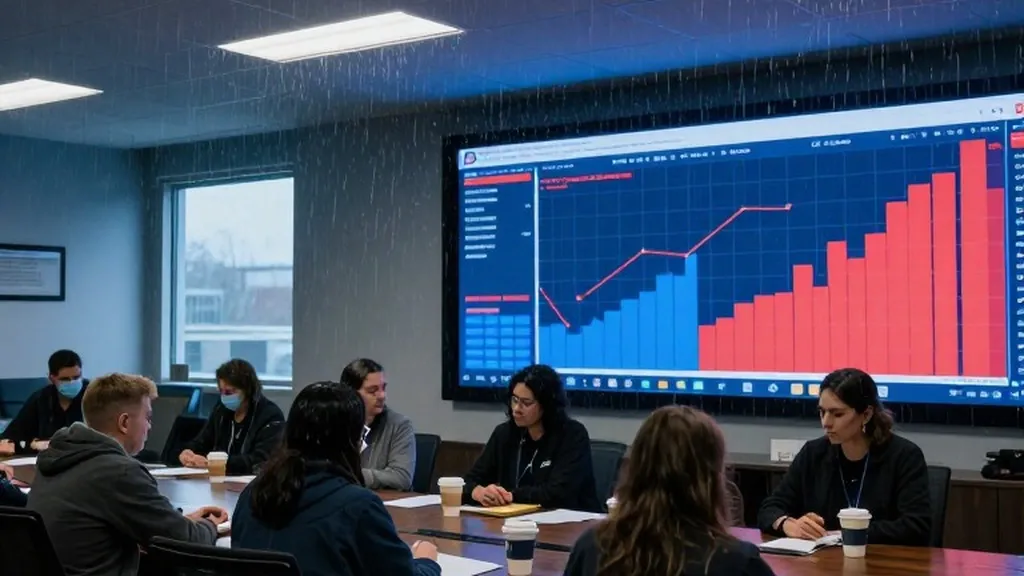
Financial dynamics are playing a significant role in the election, with the 2026 cycle likely to be the most expensive in history. Republican committees have outraised and outspent their Democratic counterparts, aided by Trump-affiliated groups and contributions from Elon Musk. An analysis by the Associated Press of AdImpact data shows that 88.1 percent of Republican general election television ad spending went to states and districts that President Trump won in 2024. This heavy investment in safe Republican seats reflects a strategy to lock in the base, while Democrats have focused their resources on flipping competitive districts. At the candidate level, however, Democrats have managed to outraise their opponents, suggesting a grassroots effort to counter the party's financial disadvantage. This disparity in spending could influence the final vote counts in close races where margins are thin.
The governor's races add another layer of complexity to the election, with thirty-six governorships up for grabs. Democrats are hoping to hold a majority of governorships for the first time in two decades, a goal that requires a net gain of two offices. Ballotpedia identifies several competitive races, including in Georgia, where Republican health care executive Rick Jackson faces Democratic former Atlanta Mayor Keisha Lance Bottoms. In Nevada, Republican Governor Joe Lombardo is challenged by Democratic Attorney General Aaron Ford. The Associated Press calls Texas, Florida, and Iowa competitive governor races, noting that these states will be crucial for determining the balance of power in state legislatures. A win in these states would provide Democrats with additional levers for oversight and policy implementation, particularly regarding the administration's handling of the Iran war and economic management.
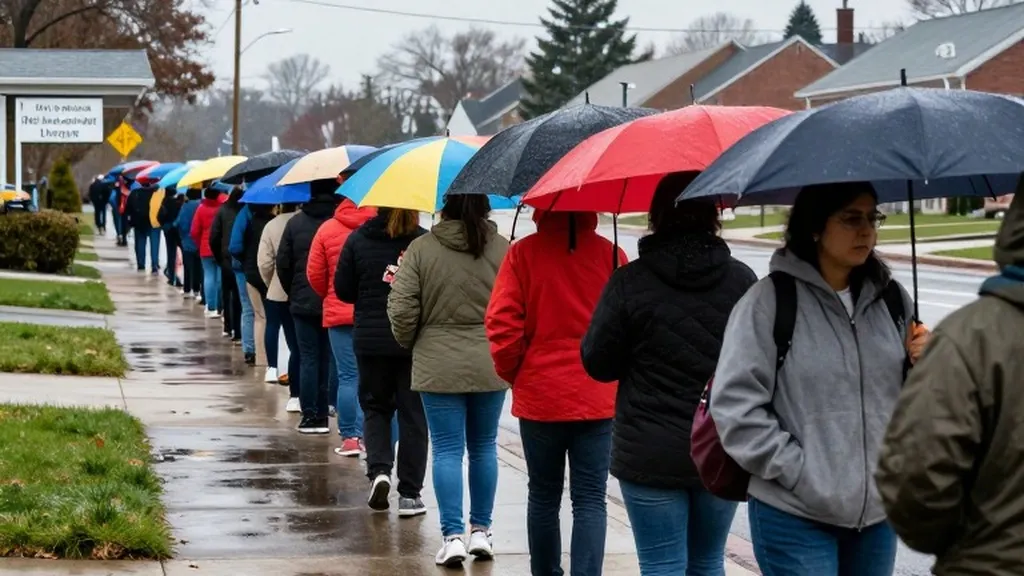
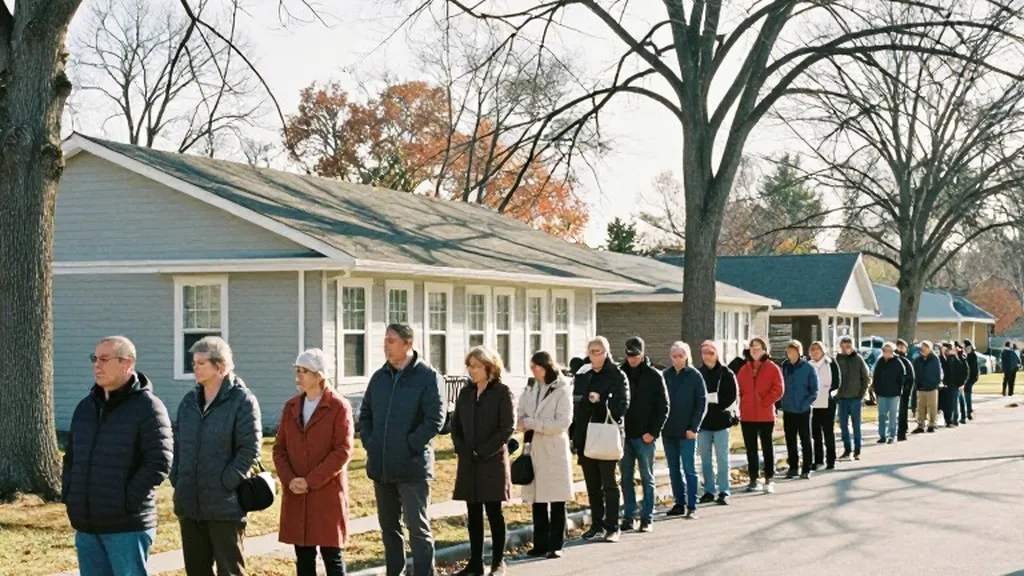
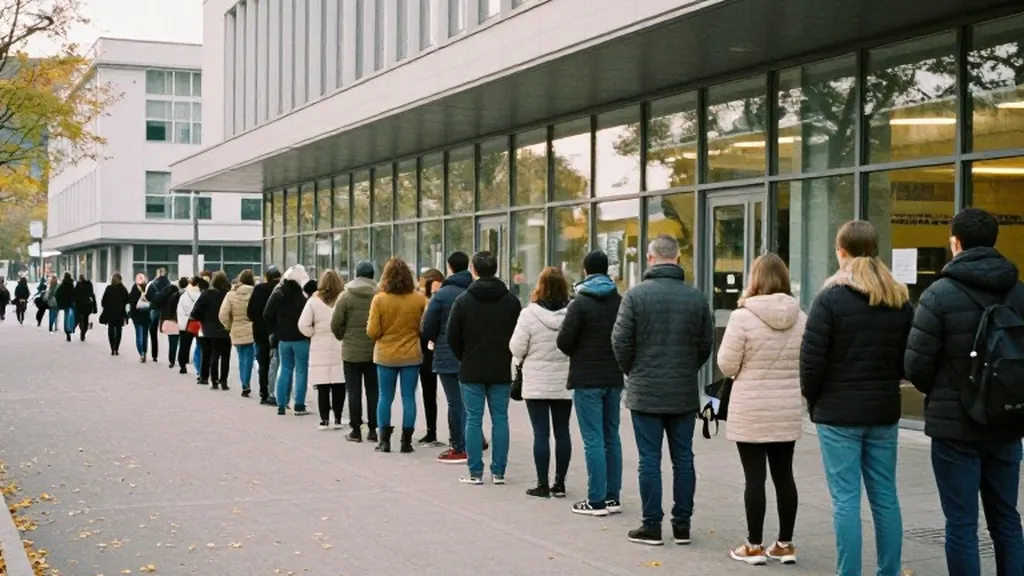
Voter turnout has been a key focus for both parties, with more than 57 million people having already voted as of Monday, surpassing early voting numbers from four years ago in many closely watched states. This early surge in participation suggests a high level of engagement among the electorate. The Associated Press describes Democrats as cautiously optimistic, while Republicans are fighting hard to hold the Senate. The president has held dozens of rallies to energize his base, ending his schedule on Sunday in Salina, Kansas, where he told supporters, "I really want you to pretend I'm on the ballot." Many Republican candidates have kept a careful distance from the president, reflecting internal tensions within the party regarding the war and economic policy. This dynamic is evident in the Senate race in North Carolina, where former Governor Roy Cooper faces former Republican National Committee chair Michael Whatley.