Control of Congress: The 100-Day Agenda and 2028 Stakes
If Democrats gain a chamber, House Leader Hakeem Jeffries outlines immediate oversight and cost-of-living measures, setting the stage for the 2028 presidential field.
By Thomas Schneider ·
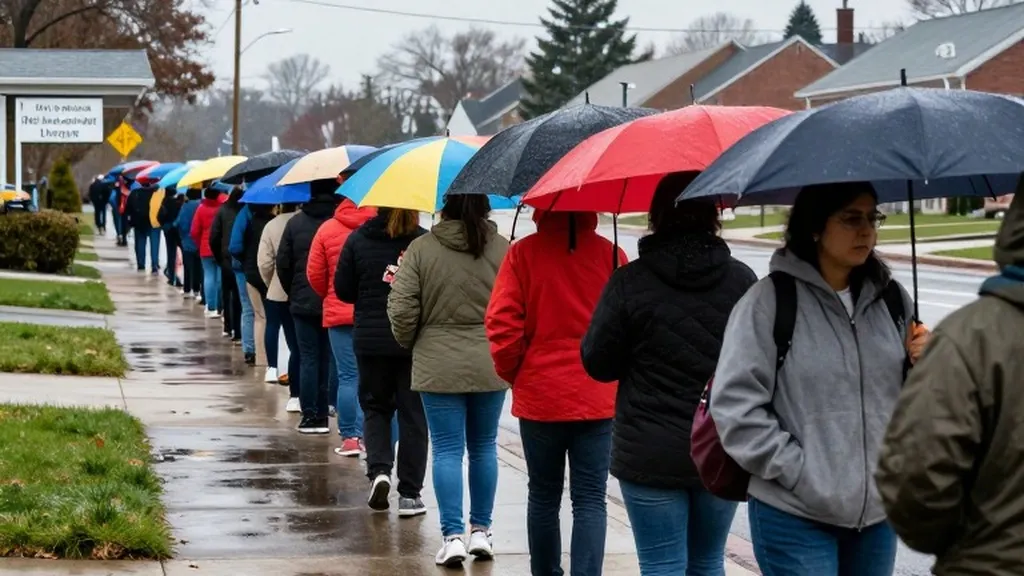
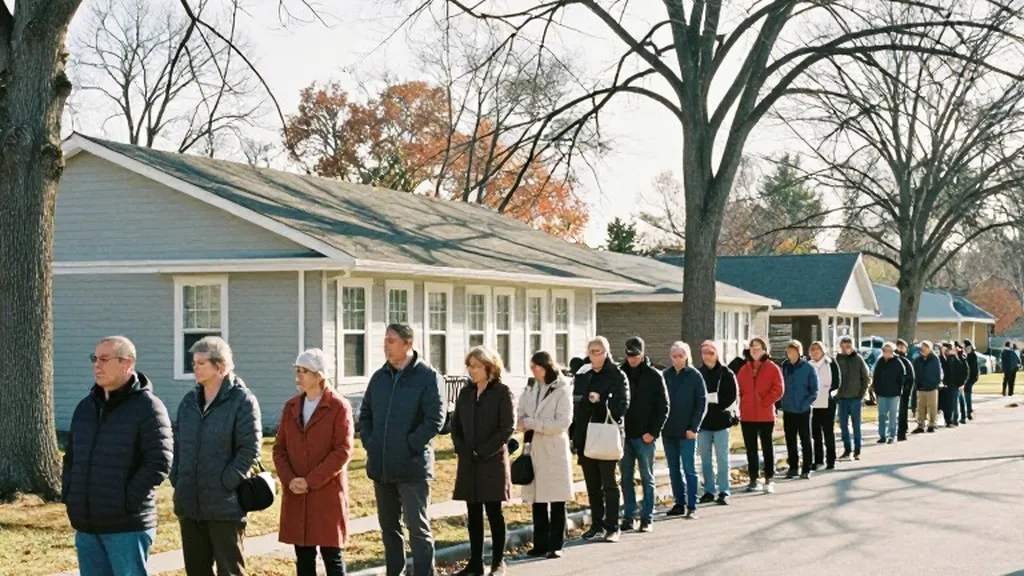
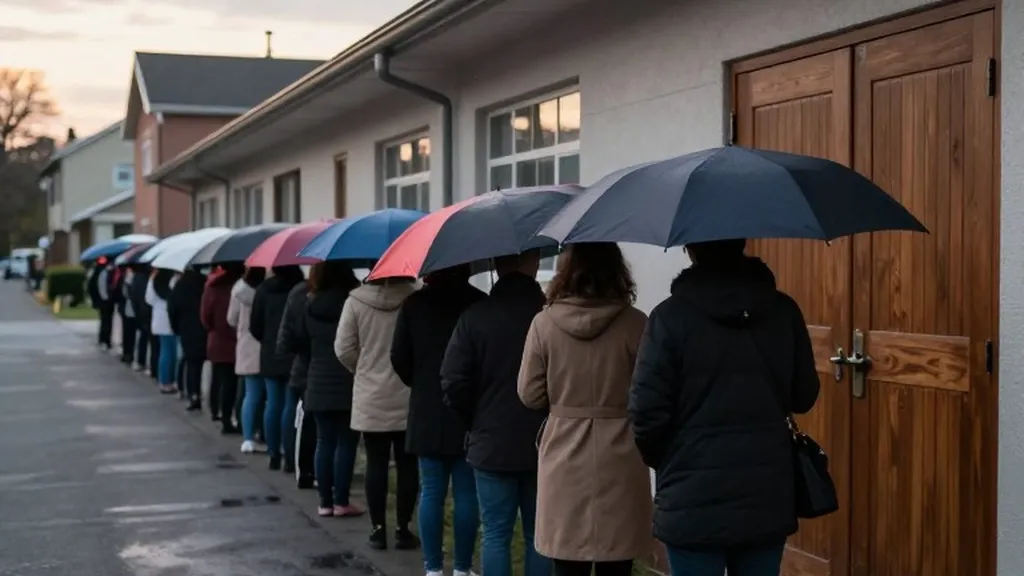
Voters across the United States are deciding who will control Congress for the final two years of President Donald Trump's second term. The outcome of Tuesday's midterm election will determine whether the administration faces a unified government or a divided one, with significant implications for legislative priorities and oversight. All 435 House seats and 35 Senate seats are up for grabs, making this a critical test of national political sentiment.
The Associated Press describes the election as a referendum on the current administration, noting that voters are struggling with high prices and expressing anger over an unpopular war with Iran. According to AP-NORC polling, 35 percent of U.S. adults approve of the president's job performance, while only 25 percent approve of his handling of the economy. About seven in 10 Americans say the country is heading in the wrong direction, with most blaming the president for rising costs.
If Democrats manage to win control of either chamber, investigations and possible impeachment proceedings become likely. House Democratic Leader Hakeem Jeffries, who would become the first Black speaker if his party takes the majority, has outlined a specific 100-day agenda. This plan focuses on addressing the cost of living and launching robust oversight of the executive branch. Jeffries' approach signals a shift from legislative gridlock to active scrutiny and immediate policy action on household budgets.
The stakes extend beyond the immediate legislative session to the 2028 presidential election. A strong Democratic performance would boost the prospects of potential candidates such as Gavin Newsom, JB Pritzker, and Pete Buttigieg. Conversely, a Republican hold could complicate the path for Vice President JD Vance, who is already positioned as a front-runner for his party. The result will shape the narrative for the next four years, influencing which figures gain national visibility and momentum.
Republicans are bracing for potential losses in the House while fighting to retain their Senate majority. The Associated Press notes that one or two seats could tip the balance in either chamber. Democrats, meanwhile, are described as cautiously optimistic. The party needs a net gain of three House districts and four Senate seats to achieve majorities, a hurdle that requires performance in closely contested races across the country.
Financial resources have played a significant role in the campaign landscape. The 2026 elections are expected to be the most expensive in history. Republican committees outraised and outspent their Democratic counterparts, aided by Trump-affiliated groups and Elon Musk. However, at the candidate level, Democrats outraised their opponents. An analysis by the AP of AdImpact data shows that 88.1 percent of Republican general election TV ad spending went to states and districts Trump won in 2024.
Redistricting has added complexity to the race. Six states, including California, Florida, and Texas, are using new congressional maps following mid-decade redistricting. Ohio also has a new map. These changes may alter the dynamics of previous election results, as new districts may not vote as the old ones did. This shift provides an opportunity for challengers but also introduces uncertainty for incumbents relying on historical voting patterns.
The administration has faced legal challenges regarding election administration. A federal judge temporarily barred the Trump administration from carrying out a plan to prevent noncitizen voting, while another judge ordered the administration to stop demanding that California election officials segregate ballots cast by people on lists of suspected noncitizens. Critics argue these actions risk disenfranchising eligible voters and infringe on state authority, adding to the procedural tensions surrounding the vote.
Turnout has been a central focus for both parties. RNC Chairman Joe Gruters stated that everything depends on turnout, emphasizing the importance of mobilizing voters. DCCC Chair Rep. Suzan DelBene countered that the American people are angry and want change. More than 57 million people had already voted as of Monday, surpassing the early vote of four years ago in many closely watched states. This high level of early participation suggests a competitive race that will likely go to the wire in key districts.
The election also has implications for state leadership. Democrats are hoping to hold a majority of governorships for the first time in two decades. They are defending key seats in states like Arizona, Kansas, Michigan, Pennsylvania, and Wisconsin. Republicans are defending their lead in states where Democrats previously held offices, such as New Hampshire and Vermont. The outcome of these races will influence the balance of power in state legislatures and executive branches, further shaping the political landscape for the coming years.
As polls close across the country, the focus shifts to the final hours of voting. The U.S. Postal Service has added hours and staff to ensure mail ballots are counted on time. Wall Street is watching the results closely, as Reuters notes that the outcome could add to investor concerns about AI spending and debt ceiling negotiations. The final tally will reveal whether the midterm pattern of the president's party losing seats holds true or if the administration can maintain its grip on power.