Data Center Costs and Risks Define 2026 Midterm Battles in Five States
Candidates in Texas, Florida, Pennsylvania, and Ohio are adopting stricter stances on server facility development as voter opposition grows and new spending reshapes the political arena.
By Thomas Schneider ·
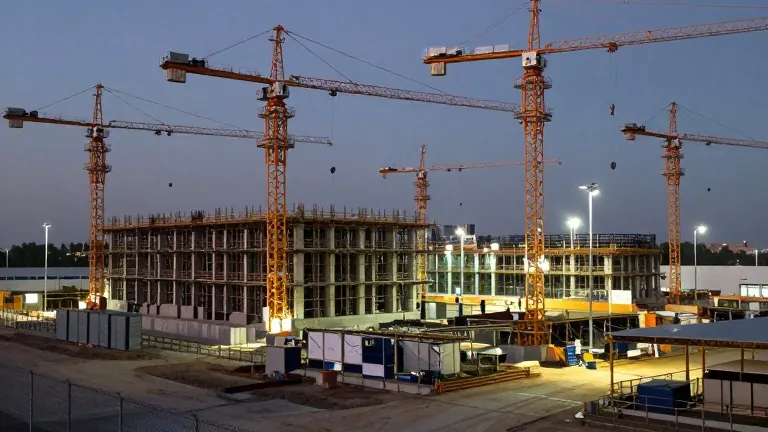
Voters in five states are weighing the cost of data center development in 2026 midterm elections, forcing candidates from both parties to adjust their platforms. The issue has moved beyond local zoning disputes to become a central factor in gubernatorial and Senate races. Candidates are competing to show they can manage the energy demands and tax implications of these massive facilities.
In Texas, Democratic and Republican contenders for the Senate and governor's offices have unveiled plans to shift infrastructure costs to developers. State Representative James Talarico, the Democratic Senate candidate, proposed a plan in July to end state sales tax incentives for data centers. His plan includes a tax on AI-attributable profits to fund a dividend for Americans and requires new facilities to use closed-loop water systems.
Republican candidate Ken Paxton, the current attorney general, introduced his own plan in August. It supports repealing tax exemptions and requiring data centers to pay for their own electricity. Paxton also aims to prohibit the use of Chinese technology in US data centers and hold companies criminally liable if AI chatbots compromise child safety. In the gubernatorial race, Democratic challenger Gina Hinojosa has called for a statewide moratorium on new developments.
Hinojosa criticized incumbent Governor Greg Abbott for changing his position on the industry. Her office noted that Abbott’s administration previously celebrated a $40 billion Google investment in three new campuses. In August, however, Abbott announced an audit that could slow new connections to the state grid. Hinojosa described Abbott’s shift in a social media video, stating that the incumbent has zero credibility on the issue.
Florida presents a different dynamic, with candidates debating whether to pause development or regulate it. Democratic candidate David Jolly pledged to install a one-year ban on hyperscale data centers on his first day in office. His Republican opponent, Congressman Byron Donalds, introduced the Protecting Ratepayers Act in July. The bill would require developers to fund the energy and water needed for their operations.
An October poll by NBC6 and Telemundo Station Group found that 45 percent of likely voters in Florida opposed data centers, while 59 percent opposed them in their own communities. Despite this opposition, Donalds leads Jolly 48 percent to 41 percent in the same survey. Energy experts have warned that Donalds’ reliance on nuclear and natural gas could raise consumer costs, a point his opponents have used to label him Data Center Donalds.
In Pennsylvania, both the Democratic incumbent and the Republican challenger have hardened their stances on data centers. Governor Josh Shapiro signed an executive order in August to prohibit nondisclosure agreements for developers and removed AI data center proposals from the fast track permitting program. This follows his announcement last year of a $20 billion Amazon investment in the state. Republican challenger Stacy Garrity now supports a development pause of up to three years, a shift from her previous praise of rural data center opportunities.
A Quinnipiac University poll from early October showed that 64 percent of likely Pennsylvania voters believe AI data centers will do more harm than good. The margin of error was plus or minus 3.9 percent. Among Democratic respondents, 80 percent held that view. Shapiro currently leads Garrity 59 percent to 34 percent in the same polling data.
The Ohio Senate race features incumbent Jon Husted and Democratic candidate Sherrod Brown, who have clashed over the industry's tax benefits. Brown has labeled Husted the face of data centers, citing Husted’s support for tax breaks while serving as lieutenant governor. Husted introduced the Ratepayer Protection Act, which would require large customers to cover their own energy costs and infrastructure upgrades. The bill passed the House but narrowly failed in the Senate.
A leaked memo from the National Republican Senatorial Committee described the issue as an anchor hanging around Husted’s neck. The group warned that if Husted loses and data centers are blamed for the defeat, politicians across the country will avoid supporting similar projects. The Cook Political Report rates the race a toss-up, while a RealClear Polling average shows Brown with a slight edge.
Source: The Verge