Senate Control Hinges on 13 Races and a $850 Million Spending Gap
With polls open, Democrats need four net seats to take the majority while Republicans rely on deep pockets and redistricting to defend their 53-seat lead.
By Thomas Schneider ·
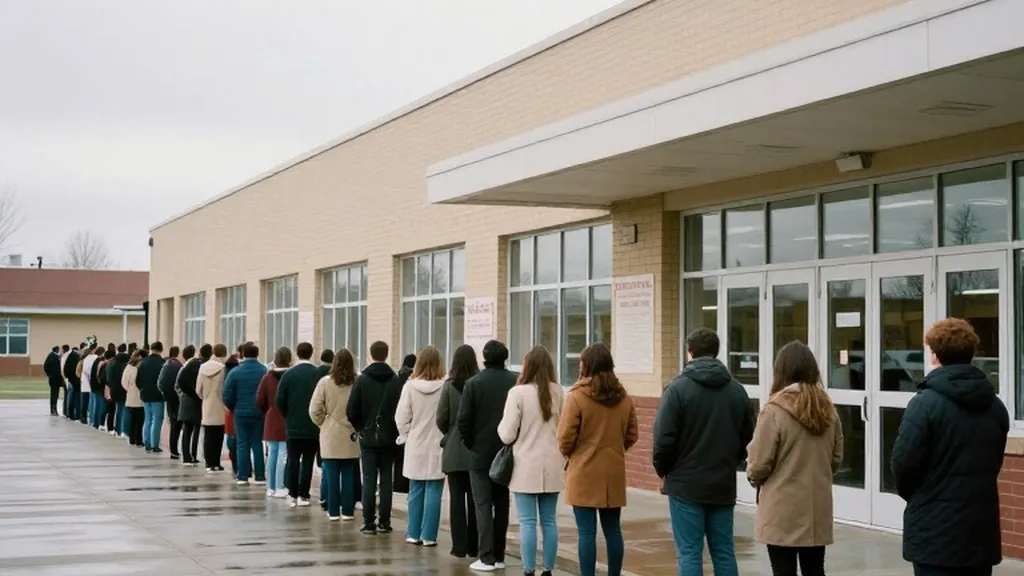
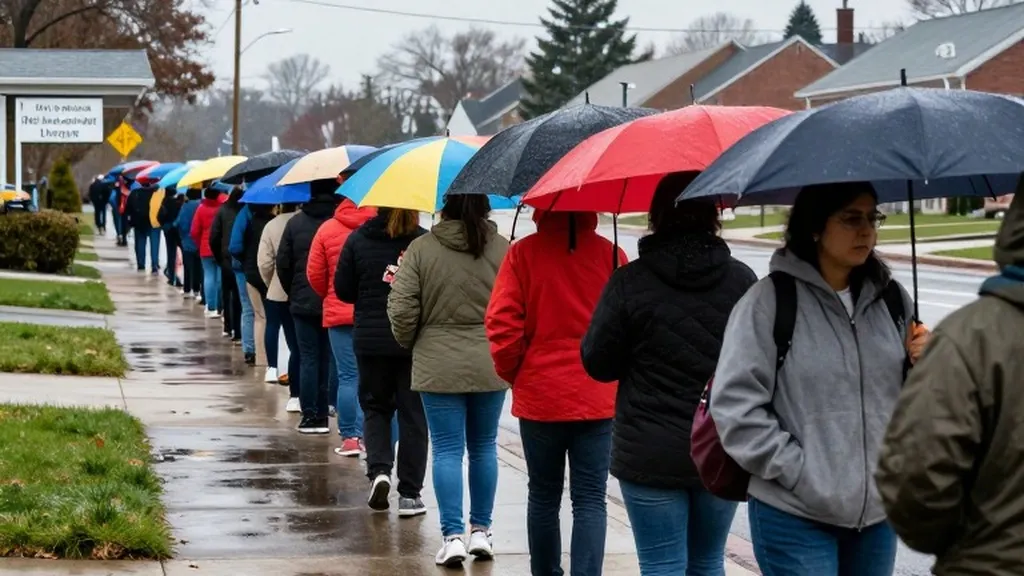
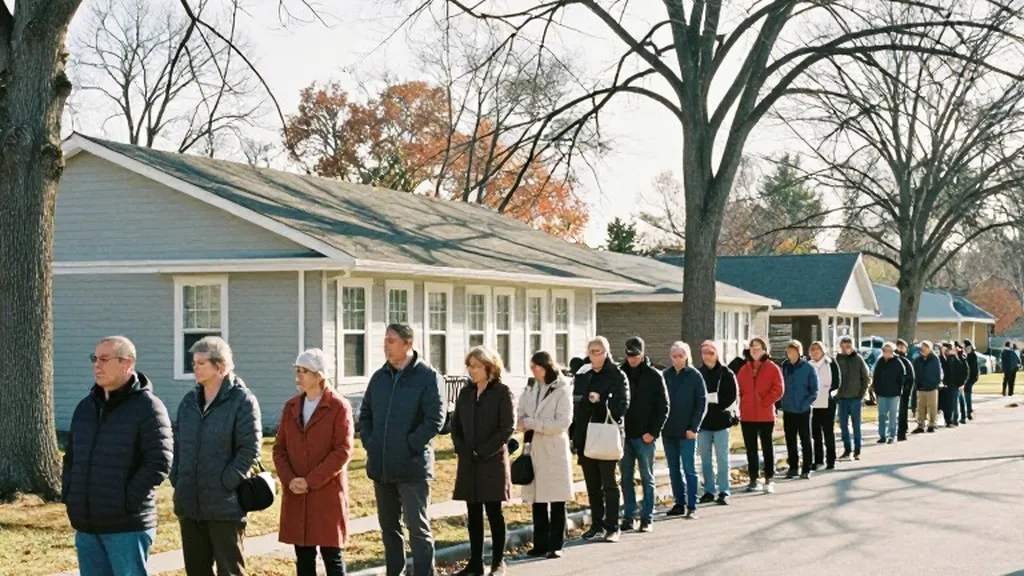
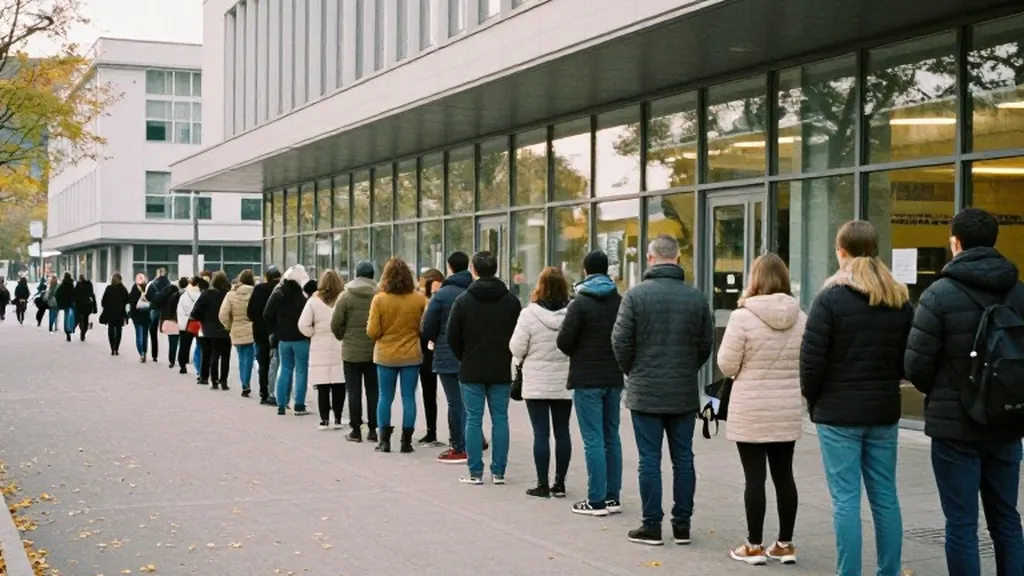
Voters across the nation are casting ballots on Tuesday to determine which party will hold the gavel in the U.S. Senate for the final two years of President Donald Trump's second term. The Associated Press describes the election as a referendum on the current administration, noting that many citizens are struggling with high prices and are angry over an unpopular war with Iran. According to Ballotpedia, 35 of the 100 Senate seats are up for grabs in this midterm cycle. These contests include 33 regular elections and two special elections to fill the remaining terms for seats held by Marco Rubio in Florida and JD Vance in Ohio. The outcome will dictate the balance of power in Washington starting January 3, 2027.
Republicans currently hold 53 seats in the Senate, while Democrats hold 45, with two independents who caucus with the Democratic party. For Democrats to secure a majority, they must achieve a net gain of four seats. In contrast, Republicans can afford to lose only two seats to maintain their control. Eleven senators are not running for re-election, including four Democrats and seven Republicans. This turnover creates open seats in key states such as Iowa, Michigan, Montana, and New Hampshire, adding volatility to the race. The Associated Press notes that one or two seats could tip the balance in either chamber, making the margin of victory razor thin.
Ballotpedia identifies 13 specific Senate races as battlegrounds where the outcome remains uncertain. These include Alaska, Florida, Georgia, Iowa, Kansas, Maine, Michigan, Montana, Nebraska, New Hampshire, North Carolina, Ohio, and Texas. In Maine, the race between Republican Senator Susan Collins and Democratic former state Senate President Troy Jackson is rated a toss-up by all four major tracking services. The Associated Press reports that economic strain and tariffs have made the state particularly competitive. In Iowa, the open seat left by retiring Republican Senator Joni Ernst is rated a toss-up or a lean toward the Republican column. Kansas, a historically reliable Republican state, has become central to the fight for Senate control, with the race rated between toss-up and lean Republican.
Other critical contests include Michigan, where the open seat is rated a toss-up or lean Democratic, and Georgia, where Senator Jon Ossoff faces Republican Representative Mike Collins in a race leaning toward the Democrats. In Texas, Republican Attorney General Ken Paxton, who was backed by President Trump over incumbent John Cornyn in the primary, faces Democrat James Talarico. The Associated Press highlights that in North Carolina, Democratic former Governor Roy Cooper is challenging former Republican National Committee chair Michael Whatley. In Ohio, Democratic former Senator Sherrod Brown is running against Republican Senator Jon Husted for the special seat. These matchups represent the core of the strategic battle for the chamber.
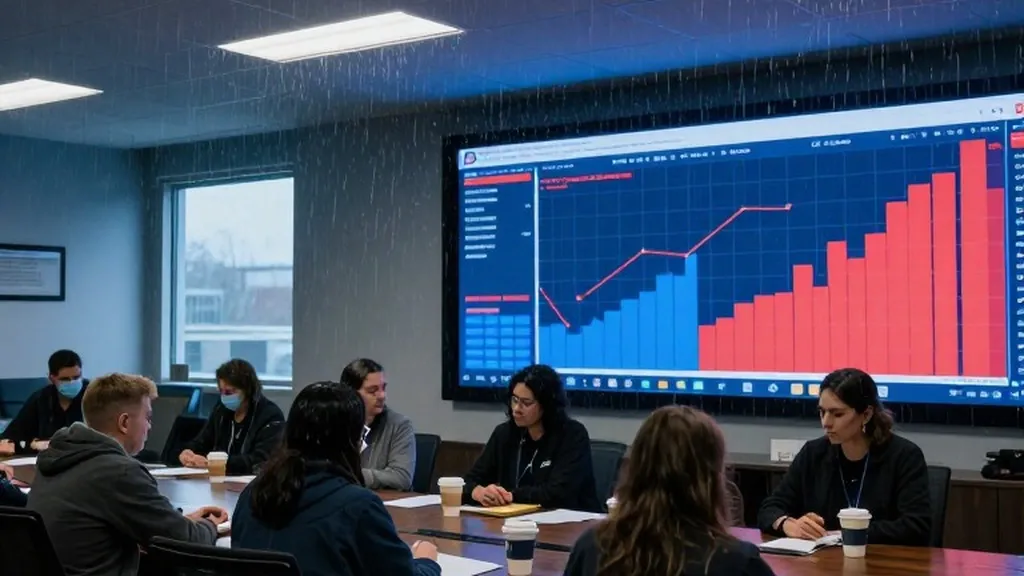
Financial resources are playing a decisive role in shaping the outcome. The 2026 elections are likely to be the most expensive in history, according to the Associated Press. Republican committees have outraised and outspent their Democratic counterparts, a trend helped by Trump-affiliated groups and contributions from Elon Musk. At the candidate level, however, Democrats have managed to outraise their opponents. An analysis of AdImpact data by the Associated Press shows that 88.1% of Republican general election TV ad spending went to states and districts that Trump won in 2024. This includes more than $850 million spent in areas where he won by 10 points or more, suggesting a strategy focused on consolidating support in safe Republican territory rather than flipping competitive zones.
Redistricting has also altered the political landscape for this election. Six states are using new congressional maps following mid-decade redistricting: California, Florida, Missouri, North Carolina, Tennessee, and Texas. Ohio is also utilizing a new map. Republicans attempted to beat the typical midterm pattern, where a president's party often loses seats, by leveraging these new districts. However, the Associated Press notes that new districts in Florida and elsewhere may not vote as drawn, introducing uncertainty into the projections. This structural advantage for Republicans is a significant obstacle for Democrats, who must overcome both the money gap and the map changes to secure a majority.
The mood among voters is driven by economic anxiety and dissatisfaction with the current administration. AP-NORC polling indicates that 35% of U.S. adults approve of President Trump's job performance, while only 25% approve of his handling of the economy. Approximately 7 in 10 Americans say the country is heading in the wrong direction, with most blaming the president for high prices. James Moore, a 57-year-old librarian in Raleigh, North Carolina, told the Associated Press that he is paying more for taxes, healthcare, and everything else. This sentiment reflects the broader concern among Democrats that the cost of living is the primary driver of voter turnout and dissatisfaction.
Despite the challenges, Democrats are described as cautiously optimistic. Suzan DelBene, the chair of the Democratic Congressional Campaign Committee, stated that the American people are angry and want change. In contrast, Republican National Committee Chairman Joe Gruters emphasized the importance of turnout, saying that if they turn out their voters, they will win. President Trump held dozens of rallies to support his candidates, ending his schedule on Sunday in Salina, Kansas, where he told supporters to pretend he is on the ballot. His schedule included stops in Mississippi, South Carolina, and Texas, though many Republican candidates kept their distance from the president during the campaign.
Election administration issues have added another layer of complexity to the day. A federal judge temporarily barred the Trump administration from carrying out a plan intended to prevent noncitizen voting, a move critics say risks disenfranchising eligible voters. Another judge ordered the administration to stop demanding that California election officials segregate ballots cast by people on its lists of suspected noncitizens. The U.S. Postal Service has added hours, staff, and special lines to ensure mail ballots are counted on time. These administrative actions have raised concerns among Democrats about potential interference and intimidation, particularly as the Justice Department threatens to prosecute local election officials.